Buying a House with a Septic System: The Buyer's Workbook
A septic system is the one major part of a house you can't see, and the one most likely to turn into a five-figure repair after closing. This workbook walks you through checking it before you buy, in the order you'll actually do it.
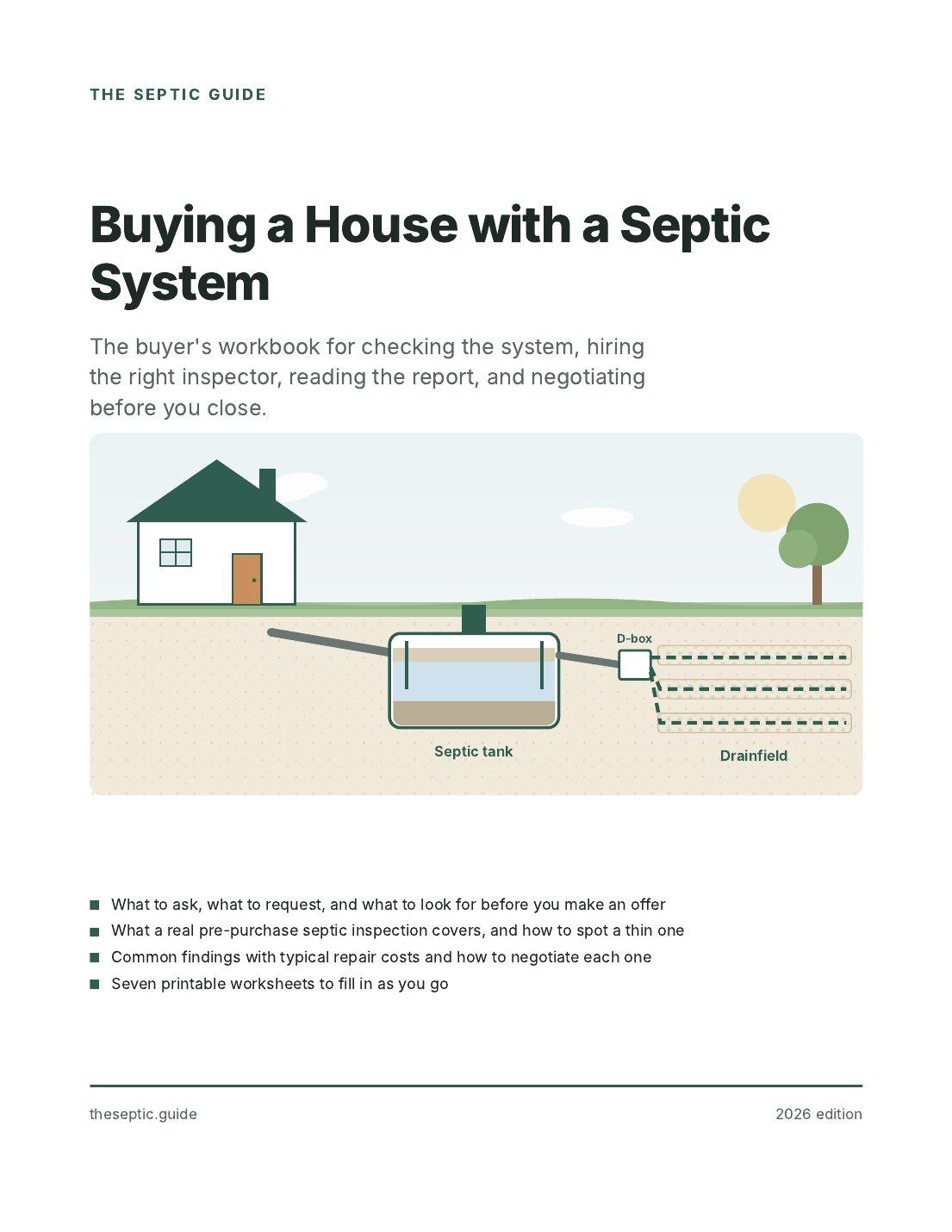
- What to ask and request before you make an offer
- What a thorough inspection covers, and how to spot a thin one
- Typical costs for 14 common findings, and how to negotiate each one
- 7 printable worksheets for the showing and the inspection
Who it's for
- Buyers looking at a house with a septic system, especially first-time septic owners
- Buyers with a septic inspection coming up who want to know what a thorough one includes
- Buyers who got a bad inspection report and need to decide what to ask for
What's inside
- Septic systems in five minutes. How the system works, the system types you'll see on a listing, and how long each part lasts.
- Before you make an offer. What to look for in the disclosure, which records to request from the health department, and the bedroom-count check most buyers miss.
- Writing the offer. What your septic contingency should cover, which places require an inspection at sale, and what FHA lenders check.
- Hiring the right inspector. The non-negotiables for a purchase inspection, what it costs, and two timing mistakes that can hide a failing system.
- Inspection day. What a thorough inspection covers and what the readings mean.
- Reading the report. 14 common findings with typical repair costs and how to handle each one, plus red flags in the report itself.
- Negotiating the findings. Your four options, a worked example, and a before-closing checklist.
- Special situations. Older systems, steel tanks, cesspools, mound and aerobic systems, shared systems, and plans to add bedrooms.
- Your first year as a septic owner. What to do in the first 30 days and how often to inspect and pump.
Plus a glossary of the terms you'll see in reports.
A look inside
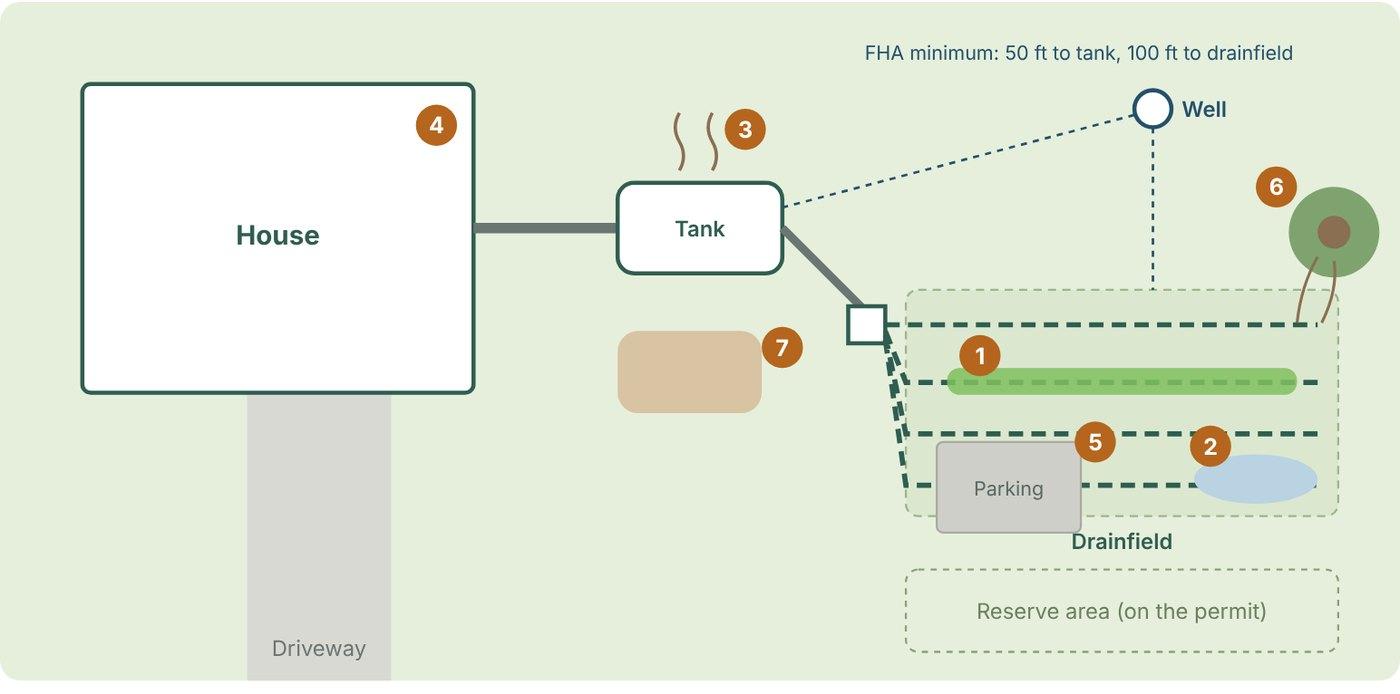
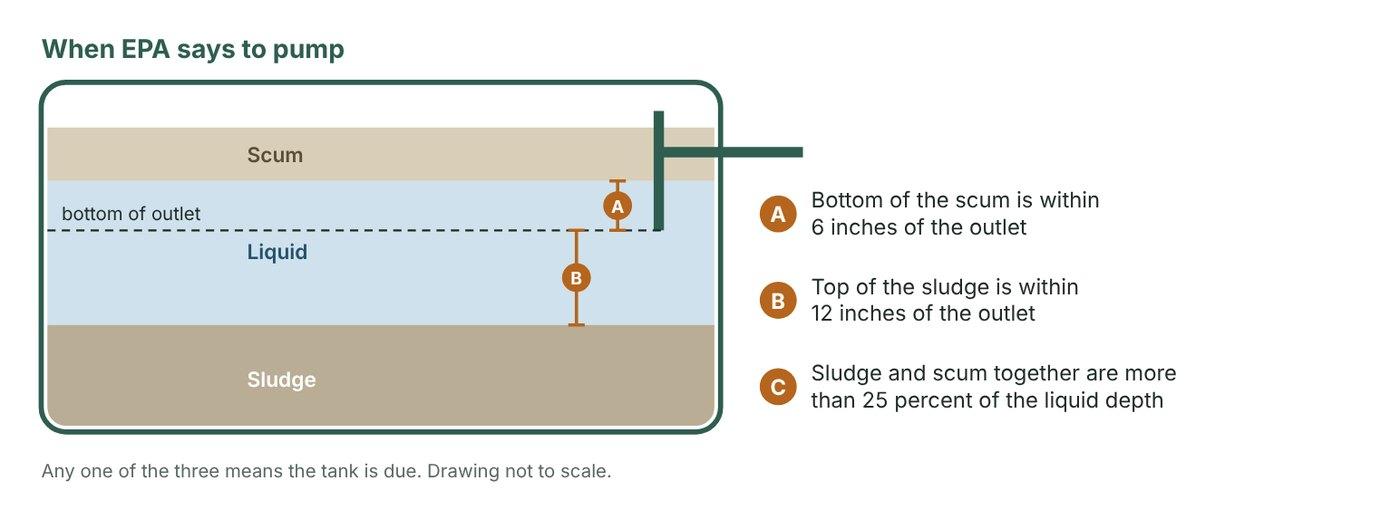
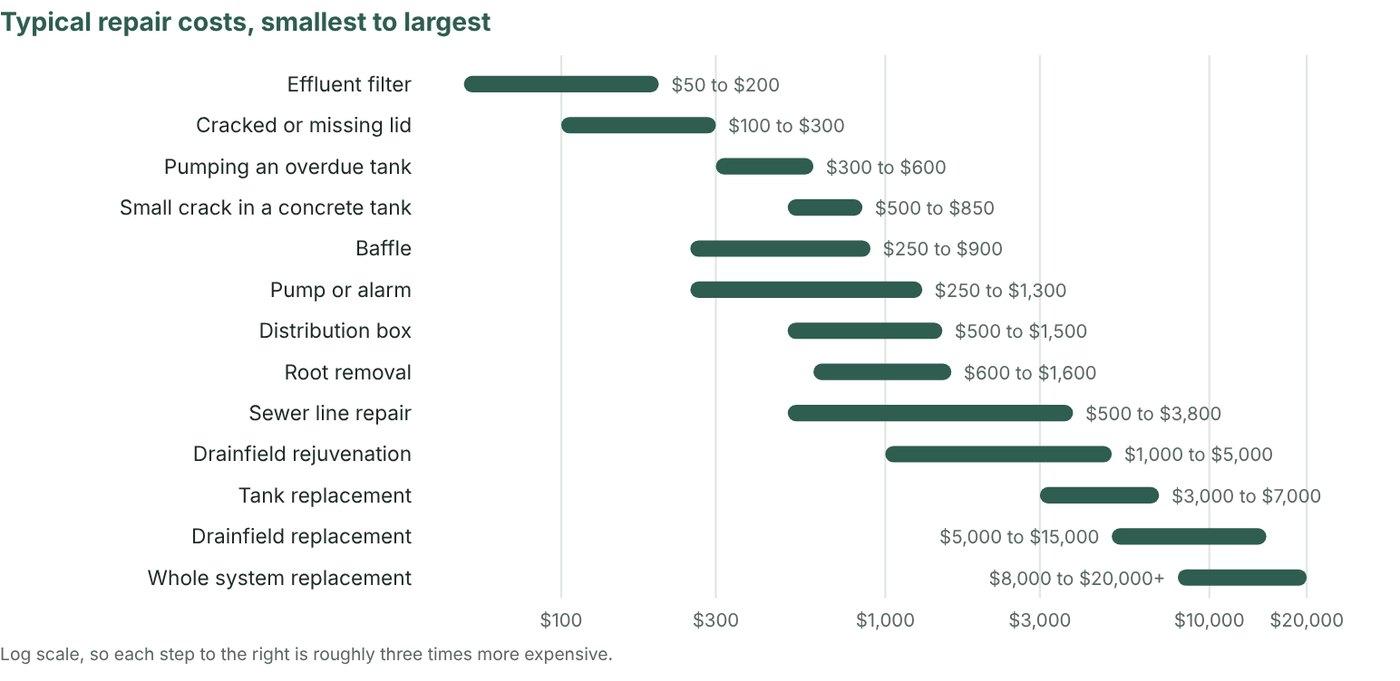
The 7 worksheets
- Seller questions
- Health department records request
- Hiring the inspector (compare up to three)
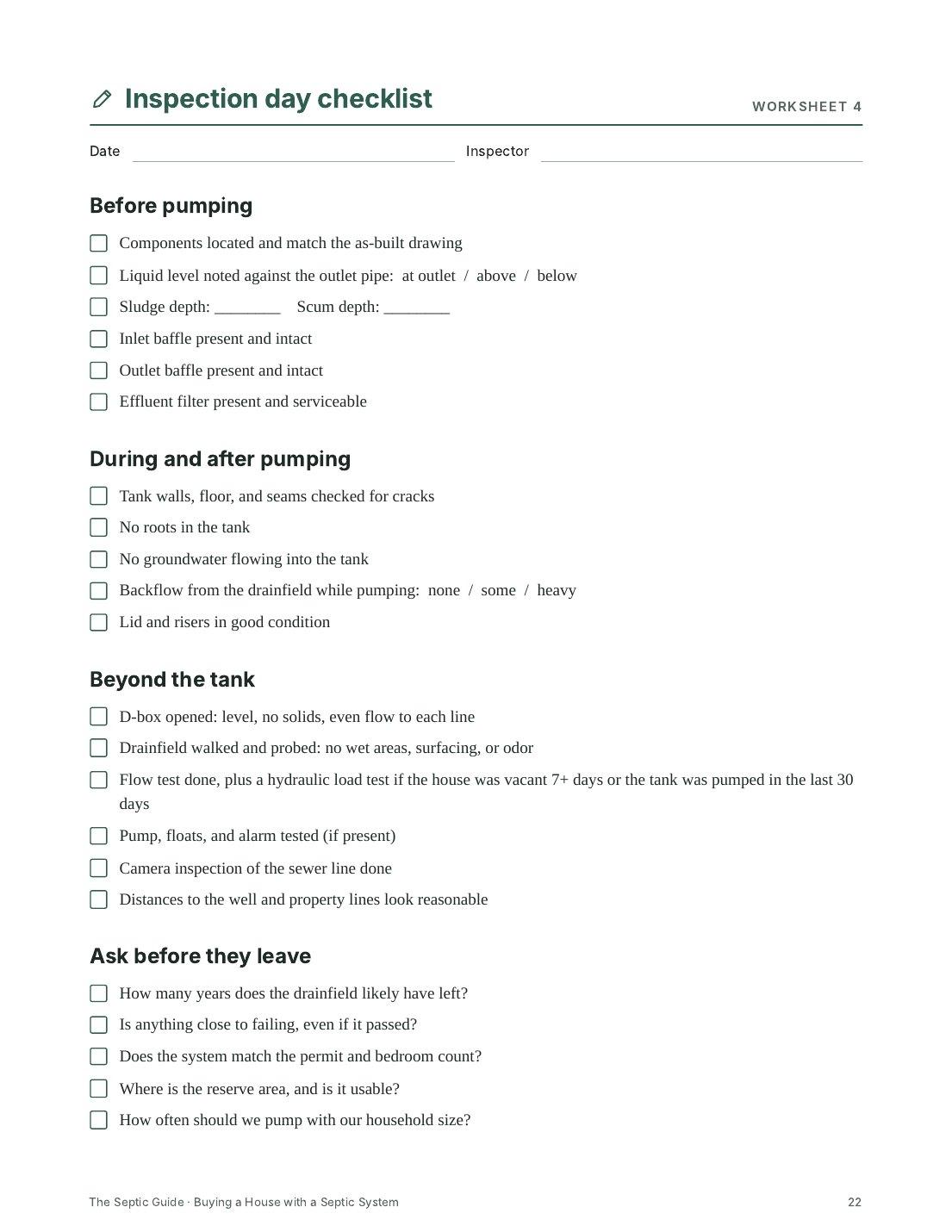
- Inspection day checklist
- Findings and negotiation tracker
- Repair quote comparison
- Septic maintenance log
How it's sourced
Every rule in the workbook comes from a primary or official source, including EPA, the Massachusetts and Rhode Island environmental agencies, Delaware DNREC, CDC, and FHA guidelines. Every cost range matches The Septic Guide's published cost guides, like our septic inspection cost guide and septic repair cost guide. If you'd rather start with the free version, read our guide to buying a home with a septic system.
- What to ask and request before you make an offer
- What a thorough inspection covers, and how to spot a thin one
- Typical costs for 14 common findings, and how to negotiate each one
- 7 printable worksheets for the showing and the inspection
Frequently Asked Questions
What do I get?
A 29-page PDF you can read on any device or print. It includes nine chapters, illustrated diagrams, a repair cost chart, a glossary, and 7 printable worksheets.
Can I print the worksheets?
Yes. The whole workbook is laid out for standard letter paper, and the worksheets are on pages 20 to 26.
Does it cover my state?
It explains how the process works anywhere in the U.S. and covers places with specific rules at sale, like Massachusetts (Title 5), Delaware, and Rhode Island's cesspool rule. Since septic rules often vary by county and town, it also tells you exactly what to ask your local health department.
How is this different from the free guides on this site?
The free guides cover one topic at a time. The workbook puts the whole purchase in order and adds what you'll want in hand: the inspection-day checklist, red flags in the report, typical costs for each finding, your negotiating options with a worked example, and worksheets to fill in as you go.
What if it isn't useful?
Email within 30 days for a full refund. The contact address is on your receipt.
Is this legal advice?
No. The workbook explains how the process usually works and what to ask. Confirm local requirements with your health department, and have your agent or a real estate attorney review contract language.