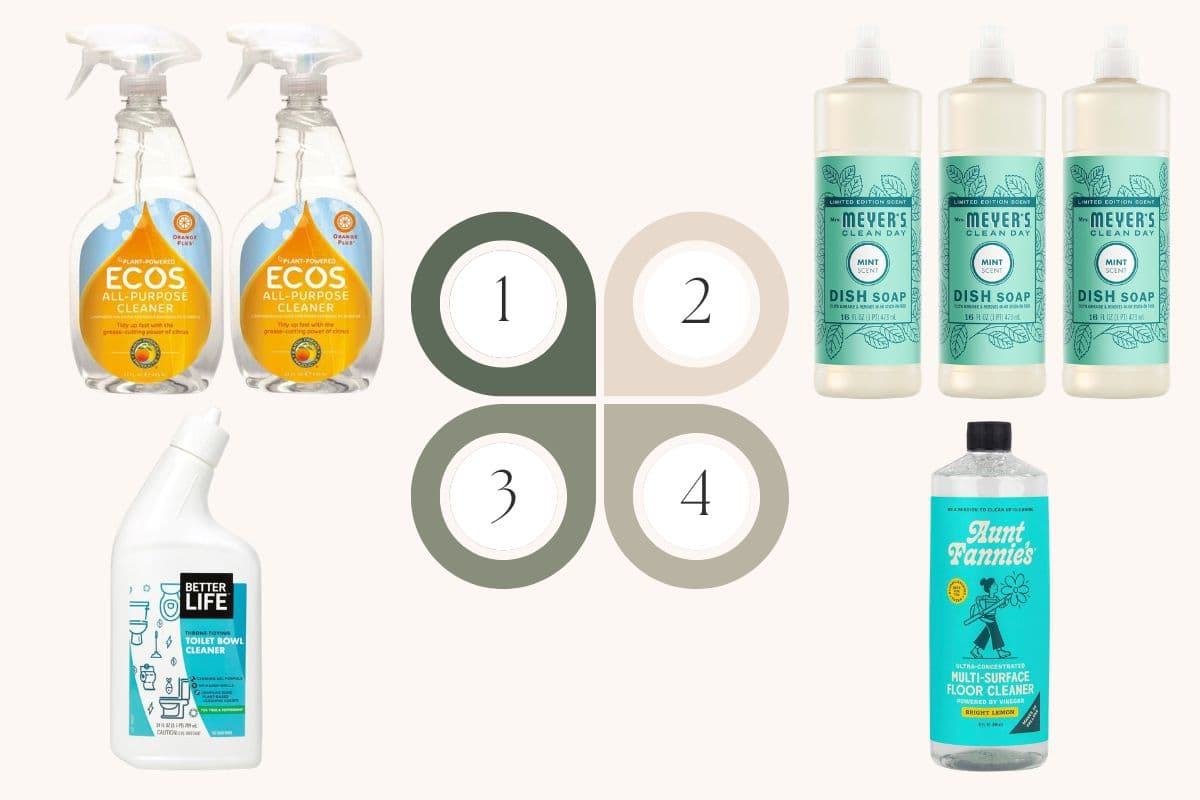
Every cleaning product you use in your home ends up in your septic tank. Every time you spray a countertop, scrub a toilet, mop a floor, or run the dishwasher, the rinse water carries those chemicals into the same tank where beneficial bacteria are working to break down solid waste.
The wrong products do not cause immediate system failure. The damage is cumulative. Chlorine bleach, ammonia, antibacterial compounds, and petroleum-based solvents gradually suppress and kill the bacterial colony your system depends on. Over months and years, solids accumulate faster, sludge builds up, and eventually the drainfield fails. Drainfield replacement costs $5,000 to $15,000.
Switching to septic-safe cleaning products costs nothing extra and is one of the easiest ways to extend your system's lifespan. This guide is the companion to our best septic-safe laundry detergent review, which covers the laundry side of the equation.
Septic-safe cleaning products are a category defined not by what they clean but by what they do not contain: chlorine bleach, ammonia, antibacterial compounds, phosphates, and petroleum-based solvents that kill or suppress the anaerobic bacterial colony a septic tank depends on to function. The distinction matters because a home on municipal sewer can tolerate harsher chemistry, as the treatment plant is engineered to handle it, but a septic system is not. Every chemical that goes down a drain on a septic-served property enters the same biological environment where bacteria are actively breaking down solid waste, and the wrong chemistry disrupts that process at a concentration far lower than most homeowners assume. Two additional factors that the ingredient list alone does not capture are volume and frequency: a product that is technically biodegradable can still cause bacterial suppression if used in large quantities daily, which is why concentrated formulas that require less product per use are inherently better for septic systems than diluted versions of the same chemistry.
One Best Pick Per Category
| Category | Our Top Pick | Price |
|---|---|---|
| All-purpose | ECOS All-Purpose Cleaner (Orange) | $5–$7 |
| Bathroom | Seventh Generation Disinfecting Bathroom Cleaner | $5–$7 |
| Toilet bowl | Better Life Natural Toilet Bowl Cleaner | $6–$8 |
| Kitchen/dish | Mrs. Meyer's Clean Day Dish Soap | $4–$6 |
| Drain maintenance | Biokleen Bac-Out Enzymatic Drain Cleaner | $8–$12 |
| Floor | Aunt Fannie's Floor Cleaner Vinegar Wash | $10–$14 |
Detailed Product Reviews
ECOS All-Purpose Cleaner (Orange)
Best Overall Pick
ECOS All-Purpose Cleaner uses plant-powered surfactants derived from coconut oil to cut through grease, grime, and everyday messes without any synthetic chemicals that could disrupt your septic system. The formula is pH-neutral, biodegradable, and contains no phosphates, dyes, or parabens. It is certified by the EPA Safer Choice program, meaning every ingredient has been reviewed for safety to both human health and the environment.
The natural orange scent comes from real orange peel extract rather than synthetic fragrance, and the formula rinses clean without leaving residue on countertops, appliances, or floors. ECOS is manufactured in a carbon-neutral, water-neutral facility and the bottle is made from 100% recycled plastic. For septic system owners, the plant-based surfactants break down quickly in the tank without harming beneficial bacteria colonies.
Pros
- ✓ EPA Safer Choice certified
- ✓ Plant-powered, pH-neutral formula
- ✓ Made in carbon-neutral facility
- ✓ 100% recycled plastic bottle
- ✓ No synthetic fragrances or dyes
Cons
- ✕ Not a disinfectant
- ✕ May require extra scrubbing on tough stains
- ✕ Orange scent may not appeal to everyone
Seventh Generation Disinfecting Bathroom Cleaner
Best Bathroom Disinfectant
Seventh Generation Disinfecting Bathroom Cleaner kills 99.99% of bacteria using thymol, a component derived from thyme oil, as its active ingredient instead of harsh synthetic chemicals. This botanical disinfectant is effective against common household germs including Staphylococcus aureus, Salmonella enterica, and Influenza A virus while remaining safe for septic systems because it biodegrades rapidly and does not accumulate in the tank.
The formula contains no chlorine, bleach, ammonia, or synthetic fragrances. It works well on toilet bowls, sinks, tubs, tile, and countertops. The spray bottle design makes application easy and targeted. Seventh Generation is a Certified B Corporation and all packaging is made from recycled materials. For septic owners who need actual disinfecting power without compromising their system, this is the top choice.
Pros
- ✓ Kills 99.99% of bacteria with botanical thymol
- ✓ EPA registered disinfectant
- ✓ No bleach, chlorine, or ammonia
- ✓ Certified B Corporation
- ✓ Biodegrades quickly in septic systems
Cons
- ✕ Thyme scent is strong for some users
- ✕ Requires 10-minute contact time for full disinfection
- ✕ Higher price per ounce than conventional cleaners
Better Life Natural Toilet Bowl Cleaner
Best Toilet Bowl Cleaner
Better Life Natural Toilet Bowl Cleaner uses a blend of plant-derived surfactants, citric acid, and tea tree oil to dissolve hard water stains, mineral deposits, and organic buildup inside toilet bowls without any chlorine bleach or hydrochloric acid. The angled bottle neck is designed specifically for under-rim application, ensuring full coverage where stains and bacteria concentrate most.
The formula is septic safe because it contains no antibacterial agents, synthetic preservatives, or petroleum-based solvents that could harm the bacterial ecosystem in your tank. Citric acid provides mild descaling action that breaks down calcium and lime deposits while remaining gentle enough to biodegrade completely within the septic system. The tea tree oil provides natural antimicrobial properties and a fresh, clean scent.
Pros
- ✓ Excellent hard water stain removal
- ✓ Angled bottle for under-rim cleaning
- ✓ Tea tree oil provides natural antimicrobial action
- ✓ No chlorine bleach or hydrochloric acid
- ✓ Cruelty-free and never tested on animals
Cons
- ✕ Less effective on severe rust stains
- ✕ May need repeated applications for heavy buildup
- ✕ Tea tree scent is polarizing
Mrs. Meyer's Clean Day Dish Soap
Best Dish Soap
Mrs. Meyer's Clean Day Dish Soap is formulated with plant-derived cleaning agents and essential oils that cut through grease effectively while being gentle on your septic system. The formula is biodegradable, phosphate-free, and contains no phthalates, parabens, or artificial colors. It is available in multiple garden-inspired scents including lavender, lemon verbena, basil, and honeysuckle.
What makes this dish soap ideal for septic homes is its concentrated formula that requires less product per wash, meaning less soap entering your system overall. The plant-derived surfactants break down rapidly in the septic tank and do not interfere with bacterial digestion of solids. The thick consistency provides excellent suds that last through a full sink of dishes without needing to re-apply, further reducing the total volume of soap going down the drain.
Pros
- ✓ Concentrated formula requires less product
- ✓ Multiple natural scent options
- ✓ Excellent grease-cutting power
- ✓ Biodegradable and phosphate-free
- ✓ Widely available at most retailers
Cons
- ✕ Contains some synthetic preservatives
- ✕ Essential oil scents may irritate sensitive skin
- ✕ Not as eco-certified as ECOS or Seventh Gen
Biokleen Bac-Out Enzymatic Drain Cleaner
Best Enzymatic Cleaner
Biokleen Bac-Out combines plant-based enzymes with live enzyme-producing cultures to break down organic waste in drains, garbage disposals, and septic systems. The formula attacks grease, food residue, hair, and soap scum at the molecular level without any chlorine, ammonia, or petroleum solvents. It is particularly effective at eliminating odors because the live cultures consume the organic matter that causes unpleasant smells rather than simply masking them.
For septic system owners, Bac-Out serves double duty as both a drain cleaner and a septic system booster. The live cultures that travel from your drains into the septic tank continue breaking down organic material once they arrive, supplementing your tank's natural bacterial colony. Use it weekly in kitchen and bathroom drains as a preventive measure, or daily for several days to address active slow drain issues.
Pros
- ✓ Live cultures provide ongoing drain protection
- ✓ Excellent odor elimination
- ✓ Doubles as septic system booster
- ✓ No harsh chemicals or synthetic fragrances
- ✓ Safe for all pipe types
Cons
- ✕ Slower acting than chemical cleaners
- ✕ Cannot clear fully blocked drains
- ✕ Must avoid mixing with bleach or disinfectants
Aunt Fannie's Floor Cleaner Vinegar Wash
Best Floor Cleaner
Aunt Fannie's Floor Cleaner Vinegar Wash uses distilled white vinegar as its primary cleaning agent, enhanced with plant-based surfactants and essential oils. The formula effectively cleans hardwood, tile, laminate, and linoleum floors without leaving streaks or residue. It contains no synthetic fragrances, dyes, sulfates, or formaldehyde, making it one of the purest floor cleaning options available for septic system homes.
Vinegar is one of the most septic-friendly cleaning agents because it is a mild acid that breaks down dirt and grime on contact, then neutralizes quickly in the septic tank without harming beneficial bacteria. The diluted vinegar concentration in this product (around 5%) is strong enough to clean effectively but gentle enough that it will not damage floor finishes or septic system biology. The product is available in multiple scents including lavender, eucalyptus, and fresh lime mint.
Pros
- ✓ Vinegar-based formula is extremely septic safe
- ✓ No-rinse formula saves water
- ✓ Safe for all hard floor types
- ✓ No synthetic chemicals or fragrances
- ✓ Ready to use, no diluting needed
Cons
- ✕ Vinegar smell during application
- ✕ Not suitable for natural stone floors
- ✕ Less effective on heavy grease buildup
How to Choose Septic-Safe Cleaning Products
Check the Ingredient List
Avoid products containing chlorine bleach, ammonia, phosphates, antibacterial agents (triclosan), formaldehyde, synthetic surfactants (sodium lauryl sulfate), and petroleum-based solvents. Look for plant-derived surfactants, natural enzymes, and biodegradable ingredients.
Look for Certifications
EPA Safer Choice, USDA BioPreferred, Green Seal, and B Corporation certifications indicate products that have been independently verified for environmental safety. These certifications require biodegradability testing that aligns with septic system compatibility.
Use Concentrated Products
Concentrated formulas reduce the total volume of cleaning chemicals entering your septic system. A smaller amount of concentrated cleaner is better for your tank than a large volume of diluted product.
Minimize Antibacterial Products
Antibacterial soaps and cleaners containing triclosan or benzalkonium chloride can kill the beneficial bacteria in your septic tank. Use them sparingly or switch to naturally antimicrobial alternatives like those containing tea tree oil or thymol.
Cleaning Products to Avoid With Septic Systems
- ✕ Chlorine bleach (sodium hypochlorite) — Kills beneficial bacteria on contact. Even small amounts used regularly can disrupt the microbial balance in your tank.
- ✕ Ammonia-based cleaners — Toxic to the bacterial colonies that break down solid waste. Common in glass cleaners and multi-surface sprays.
- ✕ Antibacterial soaps (triclosan) — Designed to kill bacteria, which is exactly what your septic system depends on to function properly.
- ✕ Phosphate-containing detergents — Promote algae growth in drain fields and can cause premature system failure.
- ✕ Drain cleaners with lye or sulfuric acid — Extremely destructive to septic bacteria. Use enzyme-based drain cleaners instead.
- ✕ Petroleum-based solvents — Do not biodegrade in the septic tank and can contaminate groundwater through the drain field.
Environmental Impact of Septic-Safe Cleaners
Choosing septic-safe cleaning products has benefits that extend well beyond protecting your tank. Conventional cleaning chemicals that pass through septic systems can leach into groundwater through the drain field, contaminating wells and local water sources. Phosphates from detergents promote algae blooms in nearby waterways, while chlorine and ammonia compounds can persist in soil long after they leave your home.
Plant-based and biodegradable cleaners break down into harmless compounds within the septic system, producing water and carbon dioxide as byproducts. This means cleaner effluent reaching your drain field, healthier soil biology around your property, and reduced risk of groundwater contamination. Many of the products on this list also use recycled packaging and carbon-neutral manufacturing, further reducing their environmental footprint.
🌱 Septic-Safe = Eco-Friendly
Every product recommended in this guide is biodegradable, phosphate-free, and formulated to break down safely within a septic system. By choosing these products, you are protecting your septic investment, your family's health, and the local environment simultaneously.
Frequently Asked Questions
What cleaning products are safe for septic systems?+
Is bleach safe for septic systems?+
Can I use antibacterial soap with a septic system?+
Is vinegar safe for septic systems?+
Is Pine-Sol safe for septic systems?+
Are Clorox wipes safe for septic systems?+
How do I know if a product is really septic safe?+
What happens if I accidentally use a non-septic-safe product?+
Can I use OxiClean with a septic system?+
Which Products to Replace First
| Product You Currently Use | Septic Risk Level | Safe Replacement |
|---|---|---|
| Chlorine bleach (regular cleaning use) | High — kills beneficial bacteria cumulatively | Seventh Generation Disinfecting Bathroom Cleaner (thymol-based) |
| Antibacterial hand soap (triclosan or quats) | High — persistent bacterial suppression | Any plant-based non-antibacterial liquid hand soap |
| Clorox or Lysol disinfecting wipes | High — quats plus never flush the wipes | Seventh Generation spray plus paper towels disposed in trash |
| Ammonia-based glass or multi-surface cleaner | High — toxic to anaerobic bacteria | ECOS All-Purpose Cleaner or diluted white vinegar |
| Chemical drain cleaner (lye or sulfuric acid) | Critical — destroys bacterial colony immediately | Biokleen Bac-Out Enzymatic Drain Cleaner |
| Phosphate dishwasher detergent | High — promotes drainfield algae and soil clogging | Seventh Generation or Ecover dishwasher tablets |
| Pine-Sol or similar pine oil cleaner (daily use) | Moderate — tolerable occasionally, harmful with daily use | ECOS All-Purpose Cleaner |
| OxiClean (daily laundry additive) | Moderate — occasional use fine, daily use suppresses bacteria | Plant-based enzyme laundry booster used sparingly |
| Conventional toilet bowl cleaner with hydrochloric acid | High — destroys bacteria on contact | Better Life Natural Toilet Bowl Cleaner |
| Petroleum-based floor cleaner or degreaser | High — does not biodegrade in tank | Aunt Fannie's Floor Cleaner Vinegar Wash |
| Conventional dish soap with synthetic surfactants | Low to moderate — less urgent than above | Mrs. Meyer's Clean Day Dish Soap when current supply runs out |
| “Flushable” wipes of any brand | Critical — never flush on septic, accumulate as solid mass | Dispose all wipes in trash regardless of labeling |
Glossary
Related Guides
On theseptic.guide
The companion review covering the laundry side of household chemical management, including which detergent ingredients are most harmful to septic systems and the top-rated plant-based alternatives.
Best Drain Cleaners for Septic Systems 2026The complete review of enzymatic and bacterial drain cleaners that clear slow drains without the lye or sulfuric acid that destroys septic tank bacteria on contact.
Best Septic Tank Treatments 2026Honest reviews of bacterial and enzyme additives, including why most are unnecessary in a tank that has not been exposed to chronic chemical damage from non-septic-safe cleaners.
What You Can and Cannot Flush on a Septic SystemThe complete household product guide covering every drain and toilet, including wipes, medications, and personal care products that should never enter a septic system regardless of labeling.
Septic System Dos and Don'tsEvery rule that protects a septic system from household chemical damage, including the full list of products to avoid and the practices that extend system lifespan without additional cost.
Septic System Maintenance ChecklistThe complete maintenance schedule for septic homeowners, including the household product audit that should accompany any new septic ownership.
How Long Does a Septic System Last?How chronic exposure to non-septic-safe cleaning products accelerates bacterial suppression and shortens system lifespan, alongside the maintenance practices that extend it.
Signs Your Drainfield Is FailingThe warning signs that bacterial suppression from cleaning product damage has progressed to the point where solids are reaching the drainfield.
Drainfield Replacement Cost 2026The $5,000 to $15,000 consequence of long-term bacterial suppression from household chemical misuse, priced out by system type and site conditions.
How Often Should You Pump Your Septic Tank?How a suppressed bacterial colony from chemical damage causes sludge to accumulate faster, shortening the pumping interval and increasing lifetime maintenance costs.
Garbage Disposal and Septic SystemsThe other major household practice that increases the solid load entering the tank, relevant for homeowners auditing all the ways their daily habits affect system health.
Buying a Home with a Septic SystemHow to assess whether a previous owner's cleaning product habits have affected the tank's bacterial health, and what to look for during inspection.
Complete Septic System GuideThe foundational reference explaining how anaerobic bacteria function, why they are sensitive to chemical disruption, and how every component of the system depends on a healthy bacterial population.
From Our Network
For homes where cleaning product fumes accumulate in below-grade spaces, this guide covers air purification options for basements and utility rooms where septic-adjacent cleaning tasks often happen.
How to Prevent Basement MoldHouseholds switching to septic-safe cleaning products sometimes ask what to use for mold treatment in below-grade spaces. This guide covers mold prevention and treatment options that are safe for both the basement environment and the septic system.
External Resource
Get Expert Septic Help
Connect with qualified septic professionals in your area. Free quotes, no obligation.