Quick Answer
$7,000 – $10,000 national average in 2026
Full conversion range: $5,000 to $15,000. Includes sewer connection fee, line installation, septic decommissioning, permits, and landscaping restoration.
Converting from a septic system to a municipal sewer connection costs $3,000 to $15,000 for a typical residential conversion in 2026, with the national average at approximately $7,000 to $10,000. The total cost includes the sewer connection fee ($1,000 to $5,000), sewer line installation from the house to the street ($2,000 to $7,000), septic tank decommissioning ($500 to $2,000), permits and inspections ($200 to $1,000), and landscaping restoration ($500 to $2,000).
Septic to sewer conversion is one of the biggest infrastructure decisions a homeowner can make. The upfront cost is substantial, but it eliminates ongoing septic maintenance, pumping fees, and the risk of a catastrophic drainfield failure that can cost $5,000 to $20,000 to repair. In some cases, municipalities require conversion when sewer lines become available in your area. See our Septic System vs Sewer comparison for a full side-by-side analysis. If you are weighing sewer conversion against septic replacement, use our septic cost calculator to estimate the replacement cost for your specific home.
Septic to sewer conversion is the process of disconnecting a home's wastewater system from a private on-site septic system and connecting it to a municipal sewer main, transferring ongoing wastewater management from the homeowner's responsibility to the public utility. The conversion permanently eliminates the maintenance, pumping, and repair obligations associated with a private septic system, but replaces them with a monthly sewer service bill and a one-time connection cost that varies significantly by municipality and site conditions. Unlike septic repair or replacement, which keeps the homeowner responsible for the entire wastewater system, sewer connection shifts that responsibility to the municipal utility at the property line. The decision to convert is driven by one of four factors: drainfield failure, municipal mandate, property sale strategy, or environmental regulation — and the financial case for conversion depends almost entirely on which of those factors applies.
2026 Septic to Sewer Conversion Cost Breakdown
| Cost Component | Typical Range | What It Covers |
|---|---|---|
| Sewer connection fee (tap fee) | $1,000 – $5,000 | Municipality charge for connecting to the public sewer main. Varies widely by city. Some charge $500, others $10,000+. |
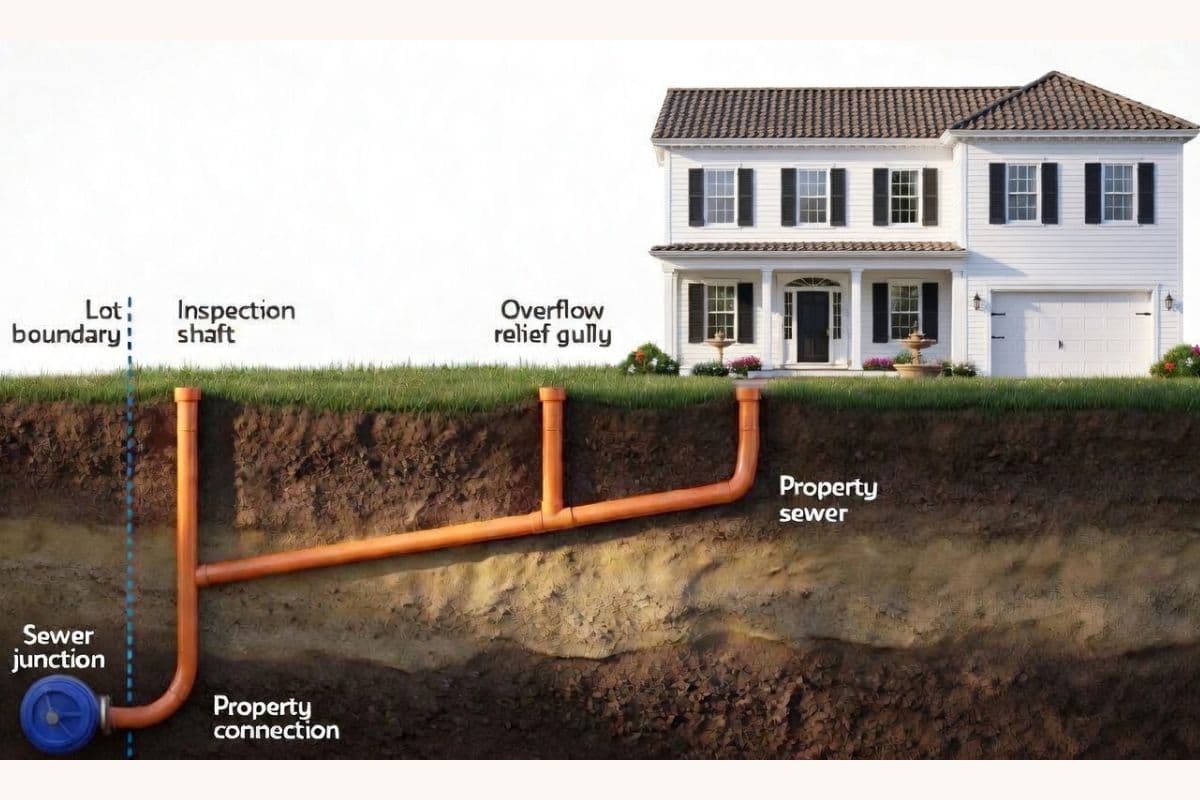
| Sewer line installation (house to street) | $2,000 – $7,000 | Trenching, 4-inch PVC pipe, and backfill from foundation to sewer main. Cost depends on distance, depth, and obstructions. |
| Septic tank decommissioning | $500 – $2,000 | Pumping, collapsing or filling with sand/gravel, and capping pipes. Required by code. Full removal instead of filling: $1,500 to $6,000 total. |
| Permits and inspections | $200 – $1,000 | Building, plumbing, and sewer connection permits plus required inspections. Varies by municipality. |
| Interior plumbing modifications | $0 – $3,000 | Most homes need none. Homes with basement bathrooms, ejector pumps, or unusual plumbing may need modifications. |
| Landscaping restoration | $500 – $2,000 | Reseeding, sod repair, driveway/sidewalk patch from trenching, replanting disturbed areas. |
| Driveway or sidewalk repair | $500 – $3,000 | Required when sewer line must cross under a driveway or sidewalk. Cutting and patching adds significant cost. |
| Engineering or design (if required) | $500 – $2,000 | Some municipalities require engineered plans. More common for complex installs or commercial properties. |
| Total typical residential conversion | $5,000 – $15,000 | Standard single-family home within 100 feet of the sewer main. |
| National average | $7,000 – $10,000 | Typical range most homeowners can expect to pay in 2026. |
What Drives the Cost Up or Down
Distance from house to sewer main
The single biggest cost variable. Sewer line installation costs $50 to $250 per linear foot depending on depth, soil conditions, and method (open trench vs. trenchless boring). A home 50 feet from the sewer main pays far less than a home 200 feet away.
Municipal connection fee
Fees vary wildly. Some cities charge $500 to connect. Others charge $5,000 to $10,000 or more, especially in areas where sewer infrastructure was recently built and the municipality is recovering construction costs from new users. Call your local water and sewer authority for the exact fee before budgeting.
Depth of the sewer main
If the sewer main runs 4 to 6 feet deep (typical), trenching is straightforward. If the main is 8 to 12 feet deep or your home sits below the main's elevation, you may need a grinder pump or sewage ejector pump ($1,500 to $5,000 installed) to push wastewater uphill to the connection point.
Obstructions between house and street
Trees, existing utilities, driveways, sidewalks, retaining walls, and fences in the path of the sewer line require removal, boring, or cutting and repair. Each obstruction can add $500 to $3,000.
Soil conditions
Sandy soil is easy and cheap to trench. Clay is harder. Rocky soil or bedrock may require mechanical breaking or blasting, adding $1,000 to $5,000 or more to excavation costs.
Remove vs. fill the old septic tank
Old tanks are either filled in place, typically $500 to $2,000, or fully removed, typically $1,500 to $6,000 total. For when you need each, county requirements, and what quotes should include, see our septic tank removal cost guide.
When Does Septic to Sewer Conversion Make Financial Sense?
Conversion is a long-term financial decision. Here is how the economics compare over 20 years.
Cost of Staying on Septic (20-Year Estimate)
| Expense | Frequency | Cost Per Event | 20-Year Total |
|---|---|---|---|
| Septic pumping | Every 3–5 years | $300–$600 | $1,200–$4,000 |
| Inspections | Every 3 years | $300–$500 | $2,000–$3,300 |
| Minor repairs | As needed | $100–$500 | $500–$2,000 |
| Drainfield replacement (if needed) | Once in 20–30 yrs | $5,000–$15,000 | $0–$15,000 (prob. weighted: $2,500–$5,000) |
| 20-year total on septic | $3,700–$14,300 | ||
Ongoing maintenance habits — pumping on schedule, avoiding chemical drain cleaners, and using quality septic tank treatments when the bacterial colony is stressed — reduce the likelihood of mid-life repairs and push out drainfield replacement. Homeowners insurance may or may not help with unexpected septic expenses depending on your policy and the cause of failure — see our guide to what homeowners insurance covers for septic repair and replacement before budgeting for the worst case.
Cost of Converting to Sewer (20-Year Estimate)
| Expense | When | Cost |
|---|---|---|
| Conversion cost (one-time) | Year 1 | $5,000–$15,000 |
| Monthly sewer bill | Ongoing | $30–$100/month ($7,200–$24,000 over 20 yrs) |
| 20-year total on sewer | $12,200–$39,000 |
For most homeowners with a functioning septic system, staying on septic is cheaper over 20 years unless you face a specific triggering event.
Convert When It Makes Sense
- ✓Your drainfield has failed or is failing and replacement costs $10,000 to $20,000. Converting costs a similar amount and eliminates future failure risk.
- ✓Your municipality is mandating conversion once sewer becomes available within a certain distance.
- ✓You are selling in a market where buyers strongly prefer sewer. A sewer connection can add $5,000 to $15,000 to sale price.
- ✓Your septic system is at end of life (25 to 30 years old) and needs full replacement anyway.
- ✓Environmental regulations in your area are tightening and may require expensive septic upgrades (common in Florida, Chesapeake Bay watershed, and coastal areas).
Stay on Septic When It Makes Sense
- –Your system is healthy and well-maintained with 10 or more years of expected life remaining.
- –The sewer main is far from your property (200+ feet), making connection costs very high.
- –You live in a rural area where sewer bills would add a significant new monthly expense with no property value increase.
- –Your septic system was recently installed or replaced.
A basic septic system alarm ($50–$200) provides early warning of pump, high-water, or drainfield issues and extends the window where septic stays the cheaper option.
The Conversion Process: Step by Step
Verify sewer availability and get the connection fee
Contact your local water and sewer authority to confirm a public sewer main is accessible. Ask for the exact connection fee, capacity charges, and whether there are deadlines or mandates for connection. Some municipalities offer reduced connection fees during initial sewer rollout periods. Get the fee schedule in writing.
Get permits
You will need a sewer connection permit from the municipality and typically a plumbing permit from the county or city building department. Some jurisdictions require a separate septic decommissioning permit. Your contractor should handle permit applications. Never allow a contractor to skip permits.
Hire a licensed contractor
Septic to sewer conversion requires a licensed plumber or sewer contractor experienced with both septic decommissioning and sewer line installation. Get at least 3 written bids that include the sewer line route, pipe material and diameter, depth of trenching, connection method, tank decommissioning method, permit costs, and landscaping restoration.
Install the sewer line
The contractor trenches from your home's foundation to the sewer main, installs 4-inch PVC at the required grade (typically 1/4 inch drop per foot), connects to the sewer main or lateral stub, and connects the home's existing drain line to the new sewer pipe. Installation takes 1 to 3 days for a straightforward conversion.
Decommission the septic tank
After the sewer line is connected, the septic tank must be decommissioned: pump out all remaining waste, collapse or cut holes in the tank top, fill with sand, gravel, or concrete, and cap all inlet and outlet pipes. The municipality will inspect before signing off. Never leave a septic tank empty and buried — it can collapse and create a sinkhole hazard.
Final inspection and restoration
The municipality inspects the sewer connection and septic decommissioning. After approval, the contractor backfills all trenches, repairs damaged driveways or sidewalks, and restores landscaping. You begin receiving monthly sewer bills at this point.
Grants, Rebates, and Financial Assistance Programs
Several states and municipalities offer financial assistance for septic to sewer conversion, especially in areas where septic systems are contributing to water quality problems.
Florida — Multiple County Programs
Multiple counties offer grants and low-interest loans for conversion, particularly in areas affected by BMAP (Basin Management Action Plan) regulations. Brevard County, Martin County, and areas around the Indian River Lagoon have active programs. Funding typically covers 50 to 85 percent of eligible costs.
Southern Nevada Water Authority (SNWA)
The SNWA Septic to Sewer Conversion Program covers up to 85 percent of eligible costs with a maximum benefit of $40,000. The program exists because converting septic homes to sewer allows the water authority to recapture and recycle wastewater that would otherwise be lost to the ground.
Chesapeake Bay Watershed (MD, VA, PA, DE)
Multiple programs offer funding for septic conversion and advanced septic upgrades to reduce nitrogen and phosphorus loading to the bay. Check with your state environmental agency for current program availability.
USDA Rural Development
Low-interest loans are available for water and wastewater improvements in rural areas through the USDA Water & Waste Disposal Loan & Grant Program. Eligibility depends on area population and income levels.
State Clean Water Revolving Funds
Many states offer low-interest loans through their Clean Water State Revolving Fund (CWSRF) for residential wastewater improvements including septic to sewer conversion. Contact your state environmental agency.
Before paying full price: Contact your local water and sewer authority, county health department, and state environmental agency to ask about available programs.
Glossary
Should You Convert? Decision Guide
| Your Situation | Recommendation | Reason |
|---|---|---|
| Drainfield has failed, replacement cost $10,000 to $20,000 | Convert if sewer is available | Conversion costs similar amount and eliminates all future septic risk |
| Septic system healthy, 10+ years of life remaining | Stay on septic | 20-year sewer cost exceeds 20-year septic maintenance cost in most cases |
| Municipality mandating connection within 1 to 3 years | Convert now | Mandatory — budget early and apply for assistance programs before deadlines |
| Sewer available but connection is voluntary, system is aging | Convert if system is within 5 years of end of life | Avoid paying for major septic repairs on a system you will abandon shortly anyway |
| Selling home in market where buyers prefer sewer | Convert before listing if sewer connection is close | Can add $5,000 to $15,000 to sale price in sewer-preferred markets |
| Selling home, sewer main 200+ feet away | Stay on septic, disclose and document | High connection cost unlikely to be recovered in sale price |
| System recently installed or replaced | Stay on septic | No financial justification for conversion with a new system |
| Environmental regulations tightening in your area | Evaluate conversion timeline and available grants | Proactive conversion may qualify for grant funding; waiting may mean higher mandatory cost later |
| Home below elevation of sewer main | Get grinder pump cost before deciding | Grinder pump adds $1,500 to $5,000 and ongoing maintenance — factor into 20-year comparison |
| Sewer main more than 200 feet away | Stay on septic unless mandated | High per-foot installation cost makes voluntary conversion difficult to justify financially |
| Septic system at end of life (25 to 30 years old) | Strong convert candidate | Avoid full replacement cost ($7,000 to $20,000) by converting instead |
| BMAP zone or Chesapeake Bay watershed | Convert and apply for grant funding immediately | Mandatory conversion likely on the horizon; grant programs cover 50 to 85 percent of costs |
| Rural area, no property value benefit from sewer | Stay on septic | Monthly sewer bills add cost with no offsetting property value increase in rural markets |
Frequently Asked Questions
How much does it cost to convert from septic to sewer?
Is it worth converting from septic to sewer?
How long does a septic to sewer conversion take?
Are there grants for septic to sewer conversion?
Do I have to connect to sewer if it becomes available?
What happens to my old septic tank after conversion?
Related Guides
On theseptic.guide
Septic System vs Sewer: Full Comparison
The complete 20-year cost comparison, maintenance obligations, property value implications, and decision framework for homeowners weighing a permanent switch from septic to sewer.
Septic System Installation Cost 2026
Full price breakdown for new septic system installation by type and region, relevant when comparing the cost of full septic replacement against conversion as alternatives for a failed system.
Drainfield Replacement Cost 2026
What a failed drainfield costs to replace by system type and site conditions — the most common triggering event that makes conversion the financially competitive alternative.
Signs Your Drainfield Is Failing
The warning signs that appear before full drainfield failure, and the decision point at which conversion becomes worth evaluating alongside replacement.
Septic System Repair Cost 2026
Every septic repair type priced out, useful for comparing the cumulative cost of keeping an aging system running against the one-time cost of conversion.
Septic Inspection Cost 2026
What each type of inspection costs and what it covers — an important first step before deciding whether to repair, replace, or convert.
How Long Does a Septic System Last?
Expected lifespan by system type and maintenance history, and the end-of-life window when conversion becomes the most cost-effective path forward.
Buying a Home with a Septic System
What to inspect and negotiate before closing on a septic-served property, including how to evaluate whether sewer connection is available, voluntary, or mandatory in the area.
Selling a Home with a Septic System
How to handle sewer availability disclosure during a home sale, including how mandatory connection timelines affect your disclosure obligations and buyer negotiations.
Does Insurance Cover Septic Repair?
What homeowners insurance covers for septic failures and whether a claim can offset part of the repair cost that makes conversion the more attractive option.
Septic System Maintenance Checklist
The ongoing maintenance schedule that keeps a septic system running until conversion is financially justified, avoiding premature failure that forces the decision before you are ready.
Aerobic vs Anaerobic Septic Systems
How advanced treatment system requirements and upgrade costs in environmentally regulated areas factor into the conversion decision for homeowners facing mandatory aerobic system upgrades.
From Our Network
Best Sump Pumps 2026 · thebasement.guide
For homes converting to sewer where a basement ejector or grinder pump is required to handle below-grade wastewater, this guide covers pump selection, sizing, and installation for below-grade applications.
Does Homeowners Insurance Cover Basement Flooding? · thebasement.guide
Homes converting from septic to sewer sometimes discover that basement drainage and backflow protection need to be addressed simultaneously. This guide covers how insurance treats basement water damage alongside the infrastructure changes a sewer conversion triggers.
External Resources
EPA Septic to Sewer — What Homebuyers and Sellers Need to Know
The EPA's guidance on septic system responsibilities during property transfers, including how sewer availability and mandatory connection requirements affect real estate transactions.
USDA Water and Waste Disposal Loan and Grant Program
Federal low-interest loan and grant program for rural wastewater improvements including septic to sewer conversion, administered through USDA Rural Development.
Ready to Get Conversion Quotes?
Connect with licensed sewer contractors in your area. Get free, no-obligation quotes and compare prices before you commit.
Get Free QuotesGet Expert Septic Help
Connect with qualified septic professionals in your area. Free quotes, no obligation.