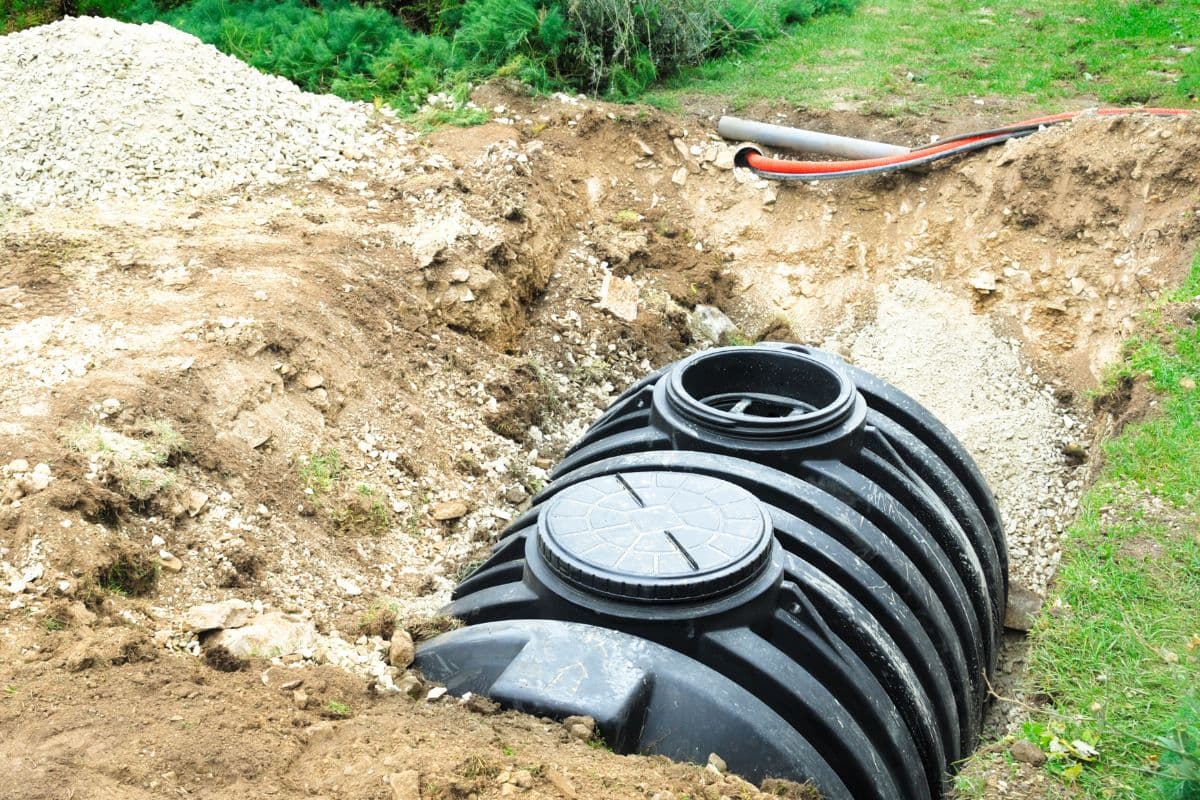
Quick answer: A septic system is a self-contained underground wastewater treatment system used by approximately 21 million American homes not connected to municipal sewer. Wastewater flows from the house into a buried tank where solids settle and bacteria begin breaking down waste, then the clarified liquid flows to a drainfield where soil microorganisms complete the treatment. The single most important maintenance task is pumping the tank every 3 to 5 years to prevent sludge overflow into the drainfield — the most expensive repair a septic owner faces. A well-maintained system lasts 25 to 30 years.
Over 21 million homes in the United States rely on septic systems to treat their wastewater. If yours is one of them, your septic system is quietly doing one of the most important jobs on your property. Every flush, every shower, every load of laundry flows into a system buried in your yard that you probably never think about — until something goes wrong.
This guide is the resource we wish existed when we started learning about septic systems. No contractor sales pitch, no government jargon. Just a clear, honest explanation of how your system works, what can go wrong, what maintenance actually matters, and how much things cost when they need fixing. If you are sizing up a project, our septic system cost calculator gives you an instant installed cost range for new installs, tank replacements, drainfield replacements, and full system replacements.
How Does a Septic System Work?
A septic system does the same job as a municipal sewer treatment plant, just on a smaller scale, right in your yard. It collects all the wastewater from your home, separates solids from liquids, breaks down organic waste using naturally occurring bacteria, and returns treated water to the soil. The process happens in three stages across three main components.
Stage 1: Collection — The Septic Tank
Every drain in your house connects to a single main sewer line that slopes downhill to your septic tank. The tank is a buried, watertight container usually made of concrete, fiberglass, or polyethylene. Most residential tanks hold between 1,000 and 1,500 gallons.
Inside the tank, wastewater naturally separates into three layers: heavy solids sink to the bottom forming sludge, oils and grease float to the top forming scum, and between them sits effluent — partially clarified liquid.
Anaerobic bacteria go to work in the tank, breaking down a portion of the solid waste. This reduces the volume of sludge over time, but it cannot eliminate it entirely. That is why the tank needs to be pumped periodically.
Most modern septic tanks have two compartments separated by a wall with an opening. This two-chamber design significantly improves the quality of the effluent that reaches your drainfield.
Stage 2: Distribution
The clarified effluent exits the tank and flows into a distribution box (D-box). This small component divides the effluent equally among the drainfield pipes. In some systems, a pump chamber replaces the gravity-fed distribution box.
Stage 3: Treatment — The Drainfield
The drainfield (also called a leach field) is where the real treatment happens. It is a network of perforated pipes laid in gravel-filled trenches, typically 18 to 36 inches below the surface. The effluent trickles out, filters through the gravel, and percolates into the surrounding soil where microorganisms remove harmful bacteria, viruses, and excess nutrients.
Key Point
A healthy drainfield needs unsaturated soil to work. If the soil becomes waterlogged, it cannot filter the effluent properly. This is why drainfield failure is the most common and most expensive septic system problem.
What Are the Different Types of Septic Systems?
Not every property can support a conventional gravity-fed septic system. Soil conditions, lot size, water table depth, and local regulations all influence which type of system is appropriate.
Conventional System (Gravity-Fed)
The most common type. Wastewater flows by gravity from the house to the tank, and from the tank to the drainfield. Simplest, least expensive, and easiest to maintain.
Installation: $3,000 – $8,000
Chamber System
Uses connected, open-bottomed plastic chambers instead of gravel-filled trenches. Popular in areas with high water tables or where gravel is expensive.
Mound System
Effluent is pumped to a sand mound built above the natural soil surface when natural soil is too shallow or the water table is too high.
Installation: $10,000 – $20,000
Aerobic Treatment Unit (ATU)
Injects oxygen into the treatment tank, supporting aerobic bacteria that break down waste much more efficiently. Common on smaller lots or properties with poor soil.
Installation: $10,000 – $20,000
Aerobic system owners have significantly different maintenance obligations than conventional septic owners. See our aerobic septic system maintenance guide for the complete owner's schedule.
Sand Filter System
Effluent is pumped through a lined box filled with sand before being distributed to the drainfield, providing an extra layer of biological treatment.
Drip Distribution System
Uses drip irrigation tubing at shallow depth to distribute effluent. Works on sites where traditional drainfields will not fit but requires a pump, timer, and filter.
At a Glance: Septic System Types Compared
| System Type | Typical Requirement | Installed Cost | Best For | Complexity |
|---|---|---|---|---|
| Conventional gravity-fed | Adequate soil at 18 to 36 inches | $3,000 – $8,000 | Standard lots with good soil | Low |
| Chamber system | High water table or limited gravel availability | $4,000 – $10,000 | Tight lots, variable soil | Low |
| Mound system | Shallow soil or high water table | $10,000 – $20,000 | Poor drainage, rocky soil | Moderate |
| Aerobic Treatment Unit (ATU) | Small lots with poor soil | $10,000 – $20,000 | Limited space, strict discharge requirements | High |
| Sand filter system | Sites needing extra treatment before drainfield | $8,000 – $15,000 | Near sensitive water bodies | Moderate |
| Drip distribution | Sites where standard trenches will not fit | $10,000 – $20,000 | Irregular lots, very shallow soil | High |
For a head-to-head breakdown, see our guide on conventional vs alternative septic systems.
How Often Does a Septic System Need Maintenance?
The most important maintenance task is having the tank pumped to remove accumulated sludge and scum. The EPA recommends pumping every three to five years for a typical household.
Pumping Schedule by Tank Size
| Tank Size | 2 People | 3 People | 4 People | 5 People |
|---|---|---|---|---|
| 1,000 gal | Every 5.5 yrs | Every 3.5 yrs | Every 2.5 yrs | Every 2 yrs |
| 1,250 gal | Every 7 yrs | Every 4.5 yrs | Every 3 yrs | Every 2.5 yrs |
| 1,500 gal | Every 9 yrs | Every 5.5 yrs | Every 3.5 yrs | Every 3 yrs |
Recommended Maintenance Schedule
| Task | Frequency | Why It Matters | Guide |
|---|---|---|---|
| Pump the tank | Every 3 to 5 years | Prevents sludge overflow into the drainfield | Pumping Cost Guide |
| Professional inspection | Every 1 to 3 years | Catches failing baffles, cracks, and drainfield issues early | Inspection Cost Guide |
| Check risers and lids | Annually | Ensures easy access and prevents surface water from entering the tank | Best Septic Risers |
| Add bacterial treatment | Monthly | Replenishes beneficial bacteria, especially after heavy cleaning product use | Best Septic Treatments |
| Check drainfield area | Annually | Look for soggy soil, odors, or unusually lush grass, indicating failure | Drainfield Failing |
| Divert surface water | As needed | Excess water over the drainfield saturates soil and prevents proper treatment | Complete Septic Guide |
Pumping costs typically run $300 to $600. Annual inspections ($100 to $300) are also recommended and can catch problems early.
Be Cautious With
Some products are not outright harmful but can stress your system if overused:
- • Garbage disposal waste — increases solids significantly
- • Antibacterial soaps and cleaners — can reduce beneficial bacteria
- • Large volumes of laundry in a single day — can overwhelm the drainfield
- • Water softener backwash — excess salt and water can disrupt tank bacteria
What Should You Never Put in a Septic System?
Your septic system relies on a living colony of bacteria to break down waste. Anything that kills those bacteria or introduces materials they cannot digest will shorten your system life.
Never Flush
- ✕ Wet wipes (even “flushable” ones)
- ✕ Paper towels or feminine products
- ✕ Condoms, dental floss, cat litter
- ✕ Diapers, cigarette butts
- ✕ Coffee grounds or medications
Never Flush
- ✕ Cooking oil or grease
- ✕ Paint or paint thinners
- ✕ Chemical drain cleaners
- ✕ Solvents, motor oil, pesticides
- ✕ Large amounts of bleach or antibacterial products
If you’re a homeowner managing a septic system, water and moisture management in other parts of your property matters just as much. The Basement Guide covers sump pumps, basement waterproofing, and water intrusion problems that can affect the water table around your drainfield. The Garage Guide covers floor drains and garage drainage. This is important if your garage drain ties into your septic system.
The simplest rule: if it is not human waste or toilet paper, do not flush it. And if it would kill bacteria in a petri dish, do not pour it down the drain.
Signs Your Septic System Has a Problem
Catching problems early can mean the difference between a $300 pump-out and a $15,000 drainfield replacement.
Slow drains throughout the house
When multiple drains throughout the house are slow simultaneously, and not just one fixture, it typically indicates the septic tank is approaching capacity or a blockage has developed in the main inlet line. A single slow drain is usually a localized pipe issue. Slow drains throughout the house are a septic system signal. Have the tank inspected and pumped if it has been more than 3 years since the last service.
Sewage backup into lowest drains
Sewage backing up into the lowest drains in the house, typically basement floor drains or ground-floor toilets, is an emergency signal that the tank is full, the inlet line is blocked, or both. Do not use any water in the house until the system is serviced. Raw sewage backing up indoors is a health hazard. Call a septic professional the same day.
Foul odor near the tank or drainfield
Persistent sewage odors outside near the tank lid or over the drainfield area indicate that gases are escaping through a compromised cover, that effluent is surfacing through saturated drainfield soil, or that the tank is full and venting through the inlet line. Occasional brief odors after heavy rain are less concerning. Persistent odors that do not dissipate require professional inspection.
Standing water or soggy soil over the drainfield
Persistently wet or spongy soil directly over the drainfield, particularly in dry weather when the rest of the yard is dry, is one of the most serious warning signs. It means the drainfield soil can no longer absorb effluent at the rate it is arriving, and partially treated wastewater is reaching the surface. This is a late-stage failure sign. The longer it continues, the more the soil biomat develops and the more expensive the eventual repair.
Unusually green or lush grass over the drainfield
A band of noticeably greener, faster-growing grass directly over the drainfield trench lines, particularly in a dry period when surrounding grass is brown, indicates that nutrient-rich effluent is reaching the root zone at the surface. This is not a cosmetic issue. It means effluent is not being treated at the designed depth before reaching the surface. Have the system inspected promptly.
Gurgling sounds in the plumbing
Gurgling or bubbling sounds coming from drains or toilets after flushing or running water, particularly if heard in multiple fixtures, indicate that air is being displaced as the system backs up. This can signal a full tank, a blocked inlet baffle, or a venting problem. It typically appears before more serious symptoms develop and is worth investigating before it progresses.
Do Not Wait
If you notice any of these signs, a professional septic inspection can diagnose the issue before a small problem becomes a catastrophic failure.
How Much Does a Septic System Cost?
Costs vary widely based on the type of system, local labor rates, soil conditions, and permit requirements. Here are typical ranges.
| Item | Typical Cost Range |
|---|---|
| Routine pumping | $300 – $600 |
| Annual inspection | $100 – $300 |
| Conventional system installation | $3,000 – $8,000 |
| Mound system installation | $10,000 – $20,000 |
| Aerobic system installation | $10,000 – $20,000 |
| Septic tank replacement | $3,000 – $7,000 |
| Drainfield replacement | $5,000 – $15,000 |
| Minor repairs (pump, filter, baffle) | $200 – $1,500 |
For detailed breakdowns, see our individual cost guides.
How Long Does a Septic System Last?
A well-maintained conventional septic system can last 25 to 30 years or longer. Concrete tanks often last 40 years. The drainfield is typically the component with the shorter lifespan.
Shortens System Life
- ✕ Skipping regular pumping
- ✕ Flushing inappropriate materials
- ✕ Excessive water use
- ✕ Driving vehicles over drainfield
- ✕ Planting trees near drainfield
Extends System Life
- ✓ Pumping on schedule
- ✓ Annual inspections
- ✓ Efficient water use
- ✓ Keeping drainfield clear
- ✓ Diverting surface water away
Septic System Glossary
Frequently Asked Questions
How does a septic system work?
How often should a septic tank be pumped?
What are the signs of a failing septic system?
How long does a septic system last?
How much does it cost to replace a septic system?
Can you have a garbage disposal with a septic system?
Do septic additives work?
What is the difference between a septic tank and a sewer system?
Related Guides
Septic Maintenance Guide
Essential tips for keeping your system running smoothly.
Septic Cost Guides
Detailed cost breakdowns for pumping, installation, and repairs.
Common Septic Problems
Troubleshooting guide for the most common septic issues.
System Comparisons
Side-by-side comparisons of septic system types.
Get Expert Help With Your Septic System
Connect with qualified septic professionals in your area. Free estimates, no obligation.
Get Free QuotesGet Expert Septic Help
Connect with qualified septic professionals in your area. Free quotes, no obligation.