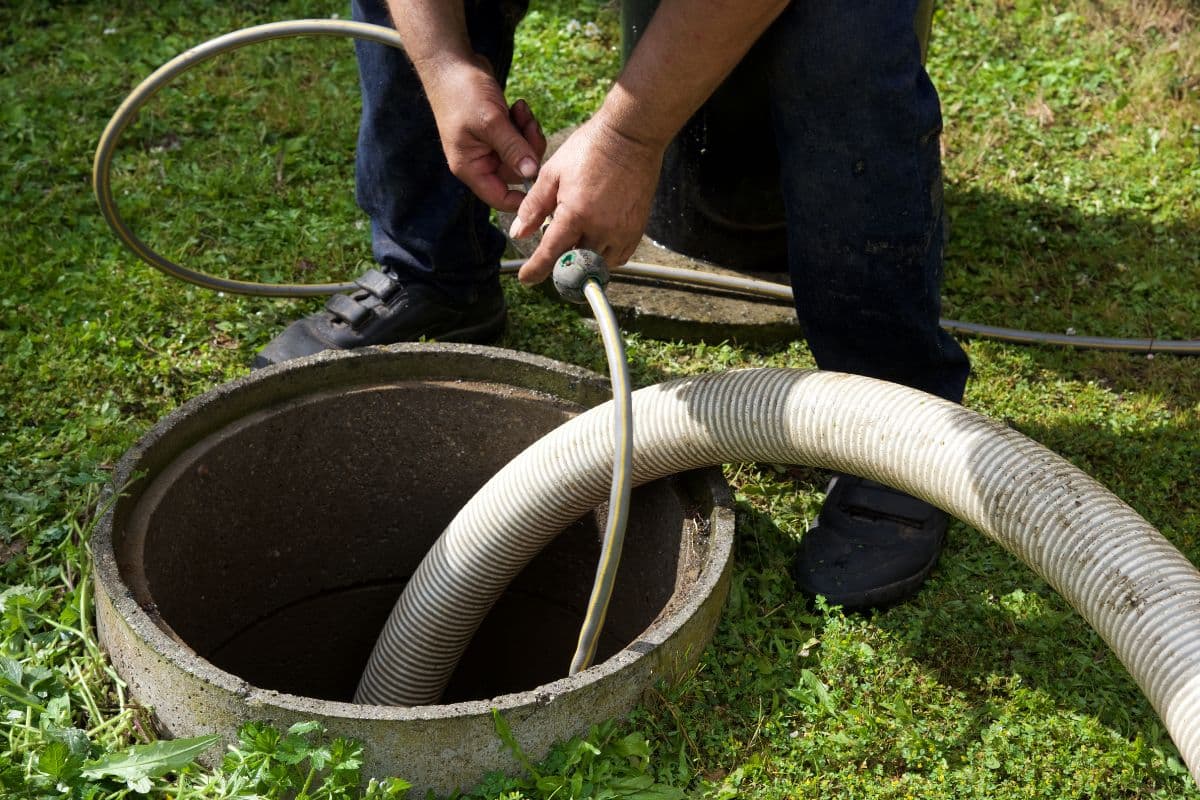
A septic system maintenance checklist is a seasonal schedule of inspections, pump-outs, filter cleanings, and daily habits that keep a residential septic system functioning properly and prevent the drainfield failures that cost $5,000 to $15,000 to repair.
The four essential septic maintenance tasks are pumping the tank every 3 to 5 years ($300 to $600), getting a professional inspection every 1 to 3 years ($100 to $300), cleaning the effluent filter every 6 to 12 months, and following septic-safe habits year-round.
Maintenance requirements vary by system type — conventional gravity-fed systems need less frequent professional attention than aerobic treatment units, mound systems, and pressure distribution systems, all of which require annual inspections.
This guide covers every maintenance task by season, what your specific system type needs, what a quality inspection includes, and the warning signs that mean call a pro immediately.
The EPA's SepticSmart program breaks maintenance into four pillars: inspect and pump frequently, use water efficiently, dispose of waste properly, and maintain your drainfield. Beyond these basics, each season brings specific tasks that protect your system from weather-related stress, prevent problems before they develop, and extend your system's lifespan by years.
This is the complete seasonal checklist. Print it, bookmark it, or save it to your phone. It covers everything you need to do and when.
Maintenance by System Type: What Your System Actually Needs
Not all septic systems need the same maintenance schedule. The wrong schedule for your system type is almost as bad as no schedule at all.
| System Type | Pumping Frequency | Inspection Frequency | Special Maintenance | Annual Cost |
|---|---|---|---|---|
| Conventional gravity-fed | Every 3 to 5 years | Every 3 years | Effluent filter cleaning every 6 to 12 months | $100–$200 |
| Aerobic treatment unit (ATU) | Every 3 to 5 years | Every year (often required by permit) | Aerator motor check, chlorine/UV disinfection check, air compressor inspection | $200–$500 |
| Mound system with lift pump | Every 3 to 5 years | Every year | Pump chamber alarm test, pump float check, dosing cycle verification | $200–$400 |
| Pressure distribution system | Every 3 to 5 years | Every year | Pump test, lateral flushing, pressure check | $200–$400 |
| Sand filter system | Every 3 to 5 years | Every year | Filter media inspection, pump check, distribution uniformity test | $250–$500 |
💡 The Rule
If your system has any electrical component—a pump, aerator, alarm, float switch, or timer—it needs annual professional inspection. Conventional gravity-fed systems can go every 3 years between professional inspections as long as you do the seasonal checks in this guide.
Learn more about the differences in our aerobic vs anaerobic septic systems comparison.
If your home has an aerobic treatment unit, see our dedicated aerobic septic system maintenance guide for the full quarterly service schedule, chlorine management, and aerator replacement timeline.
Spring Checklist
March to May
Spring is the highest-risk season for septic systems. Snowmelt, heavy rain, and rising groundwater can saturate your drainfield and stress every component.
Walk the drainfield and tank area
After winter, inspect for standing water, soggy soil, unusual odors, or areas where grass is noticeably greener than surrounding lawn. Any of these during dry weather are warning signs of drainfield trouble. If the ground is saturated above the drainfield and it has not rained recently, your system may be overloaded from spring runoff.
Check for winter damage
Look for frost heaving around the tank lids, risers, or inspection ports. Verify that lids are still seated properly and seals have not cracked from freeze-thaw cycles. A cracked riser lets surface water infiltrate the tank, adding volume the system was not designed to handle.
Schedule your annual inspection
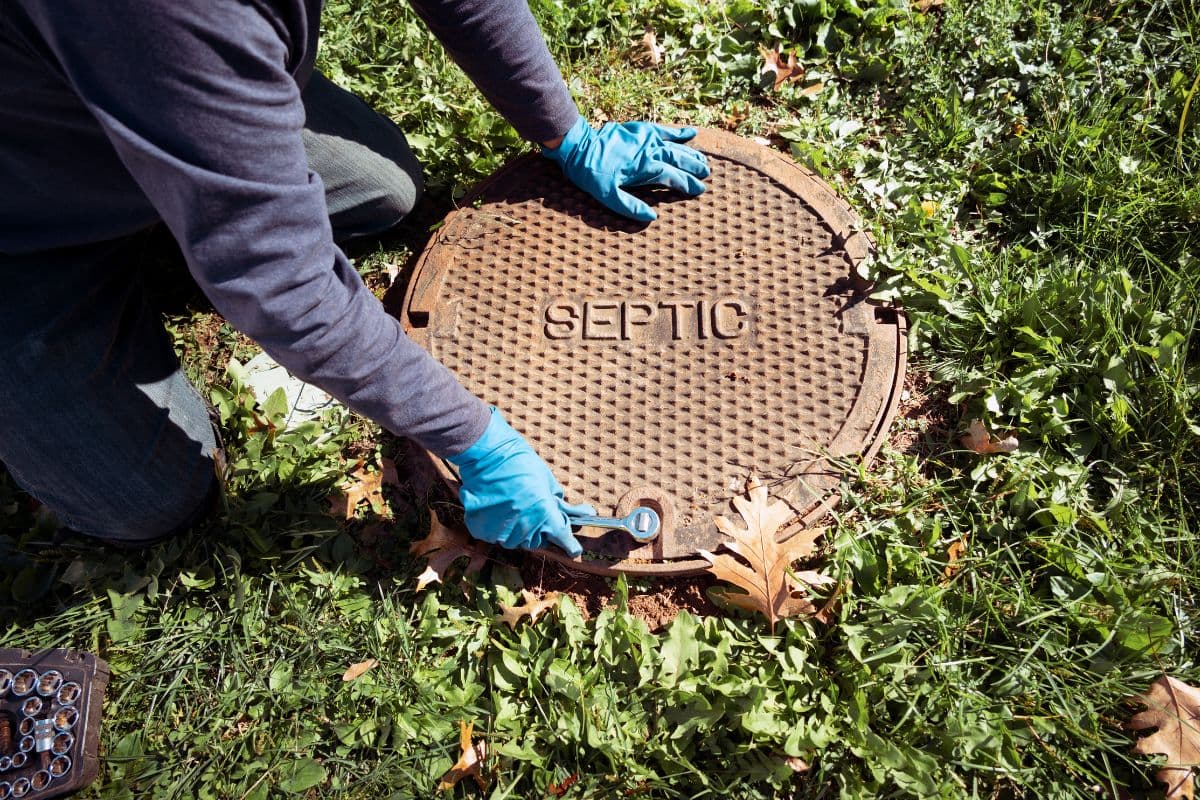
Spring is ideal timing because a professional can assess how the system handled winter stress while the ground is still accessible. The EPA recommends inspecting conventional systems at least every three years and systems with mechanical components every year. A thorough inspection should include sludge and scum level measurement, baffle condition check, effluent filter assessment, and distribution box evaluation. Cost: $100 to $300. See our septic inspection cost guide for a full breakdown.
Pump the tank if due
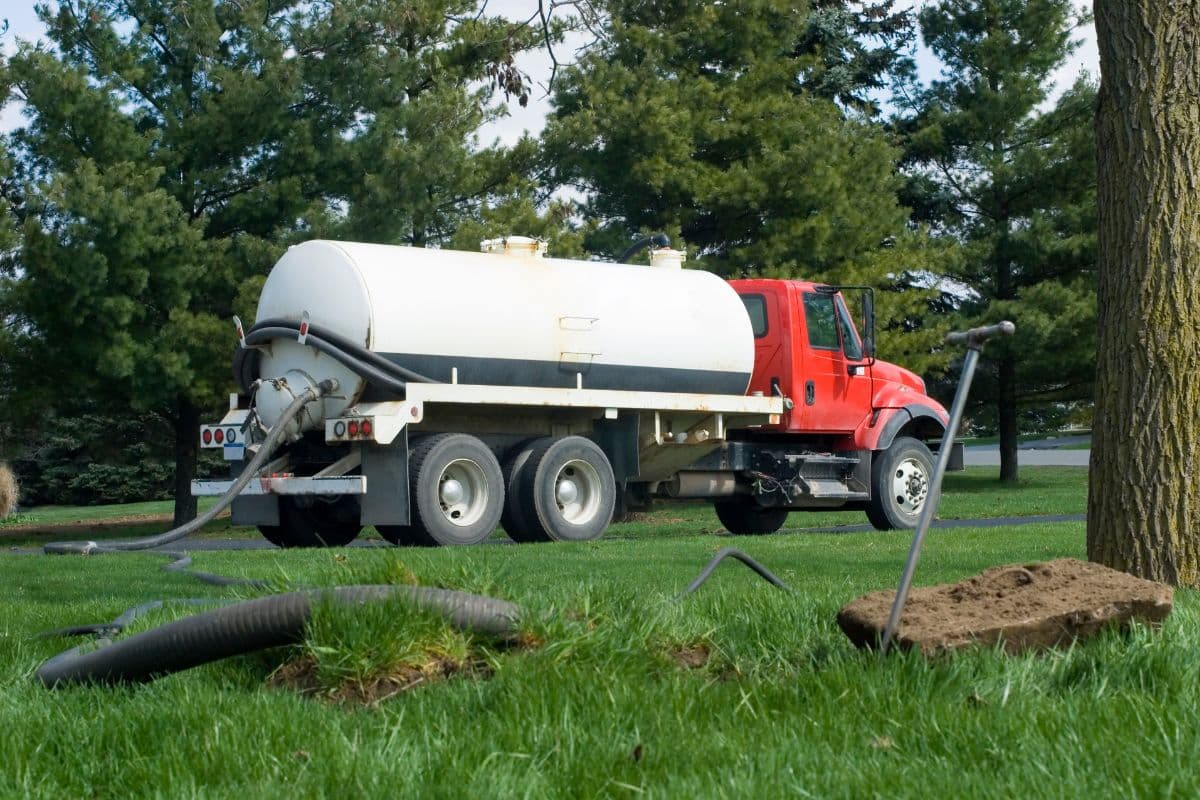
If your pumping schedule falls in spring, book early. Septic companies get busy as homeowners discover winter-related problems. Scheduling in March or early April avoids the rush. The typical pumping cost is $300 to $600 depending on tank size and region.
Divert spring runoff away from the drainfield
Verify that roof gutters, downspouts, sump pump discharge, and landscape grading direct water away from the tank and drainfield area. Spring rain on top of a drainfield that is already handling household wastewater creates hydraulic overload. This is the single most common cause of septic overflow after rain.
Monitor tree root growth
Spring is when roots grow most aggressively. If you have trees within 30 feet of septic components, watch for new root activity near pipes and consider root barriers if intrusion is a concern.
Summer Checklist
June to August
Summer means increased water use—guests, outdoor activities, more laundry—and higher biological activity in the tank. The focus is on preventing overload.
Spread water use across the week
Summer guests, extra laundry from outdoor activities, and increased showers can overwhelm the system if concentrated in one or two days. Space out laundry loads—no more than two per day. Avoid running the dishwasher and washing machine simultaneously. The EPA notes that a single washing machine load can send 15 to 45 gallons through the system.
Protect the drainfield from summer activities
Do not park vehicles, set up temporary structures (tents, bounce houses), or drive riding mowers across the drainfield. Soil compaction from summer traffic is permanent and reduces the drainfield's absorption capacity. This is one of the most common causes of premature drainfield failure.
Mark system components before landscaping
If you are planning any summer yard work, know exactly where your tank, distribution box, drainfield, and all pipes are located before digging. See our guide on how to find your septic tank for five methods that work.
Check the drainfield for stress
After extended dry periods, the drainfield should look the same as the rest of the yard—not greener, not wetter, not smellier. If it looks different, the system may be struggling. Greener grass over the drainfield during a drought is a classic warning sign that effluent is surfacing.
Clean the effluent filter
If your tank has an effluent filter and it was not cleaned during a spring pumping visit, mid-summer is a good time to check it. A clogged filter restricts flow and can cause backups. You can clean the filter yourself—pull it from the outlet baffle, hose it off over the open tank (so debris falls back in, not on the ground), and reinsert it. Takes five minutes and costs nothing.
Be cautious with summer chemicals
Pool water, hot tub drainage, and heavy use of antibacterial products can harm tank bacteria. Never drain a pool or hot tub into the septic system. Use septic-safe cleaning products. For guidance on what is and is not safe, see our complete flushing guide.
Fall Checklist
September to November
Fall is the ideal time for proactive maintenance before winter makes access difficult. Having your system inspected and pumped before freezing temperatures arrive is the best way to avoid winter emergencies.
Pump the tank if due
Fall is the best season for pumping. The ground is accessible, the water table is typically low, and you are clearing the system before winter when problems are hardest and most expensive to address. Our pumping cost guide covers exactly what to expect.
Inspect the system before winter
A fall inspection catches any developing issues while they are still fixable. After the first hard freeze, accessing buried components becomes much more difficult and expensive.
Check all lids, risers, and ports
Ensure all access points are secure, sealed, and will not collect water that could freeze and crack the fittings. If your tank does not have risers, fall is the perfect time to install them. Risers bring the access lids to ground level permanently, eliminating the $50 to $200 digging fee at every future pumping visit.
Clear the drainfield area
Remove fallen leaves and debris from above the drainfield. A heavy layer of wet leaves can compact soil and reduce oxygen exchange. However, leave the grass intact since it provides insulation.
Fix leaky fixtures before winter
A running toilet or dripping faucet adds unnecessary water volume to the system year-round, but in winter, the extra water is especially problematic because it increases the volume of liquid that can freeze in pipes and saturate the drainfield during the slowest-processing months. A single running toilet can add 200 gallons per day to your system.
Test your septic alarm
If your system has a high-water alarm, press the test button and confirm the horn sounds and the warning light activates. Replace backup batteries even if the low-battery chirp has not sounded. You need the alarm working before winter, when power outages and pump failures are most common.
Know your system location for winter access
If snow covers your yard for months, mark the location of your tank lids and risers with stakes or permanent markers so a pumping crew can find them in an emergency.
Winter Checklist
December to February
Winter maintenance is mostly about prevention and monitoring. The goal is to avoid frozen pipes, avoid overloading the system, and catch problems before spring.
Keep water flowing through the system
In occupied homes, normal daily use prevents pipes from freezing. If you are leaving the home vacant for an extended period, have the system winterized by a professional. Winterization typically involves pumping the tank, draining exposed pipes, and insulating vulnerable components.
Insulate vulnerable components
If you have had freezing issues in previous winters, adding mulch (not soil) over the tank and pipe routes provides natural insulation. Do not compact snow over the drainfield—loose snow insulates better. Do not plow or drive over the drainfield.
Avoid chemical deicers near the system
Salt and chemical ice melts used on driveways and walkways can leach into the soil and disrupt bacterial balance in the drainfield. Use sand or non-toxic alternatives near septic components.
Monitor for warning signs
Slow drains, gurgling sounds, and sewage odors during winter can indicate a frozen pipe, a full tank, or a system that is struggling with cold-weather processing. Do not ignore these signs—winter problems get worse quickly.
Reduce water use
Winter is when the system processes wastewater most slowly—cold temperatures slow bacterial activity. Spreading out water use and avoiding large-volume activities (back-to-back laundry days) reduces stress on the system.
Do not wait until spring if something is wrong
If you notice any signs of failure during winter, call a professional immediately. Waiting until spring often means the problem escalates into a more expensive repair. A $300 service call in January prevents a $5,000 drainfield problem in April.
Year-Round Rules: Every Month, Every Season
These apply regardless of the season. No exceptions.
Only flush human waste and toilet paper. No wipes (not even “flushable” ones), no feminine products, no paper towels, no chemicals. See our complete guide to what you can and cannot flush. Use septic-safe toilet paper that dissolves quickly.
No grease down any drain. Cooking oils and fats thicken the scum layer and can block the outlet baffle. Wipe greasy pans with a paper towel and throw it in the trash.
No chemical drain cleaners. Products like Drano and Liquid-Plumr kill the bacteria your tank needs to function. Use a plunger or drain snake for clogs, and use enzyme-based drain cleaners for maintenance.
Fix leaks promptly. A single running toilet can add 200 gallons per day to your system. That is 6,000 gallons per month of unnecessary water your drainfield has to absorb.
Never drive or park on the drainfield. Not even once. Soil compaction is permanent and reduces absorption capacity.
Never build over the drainfield or tank. No sheds, patios, pools, or decks. These block access and disrupt the soil ecosystem your drainfield depends on.
Keep trees 30 feet from all septic components. Root intrusion is expensive to fix and preventable. If you already have trees near the system, monitor for drainfield warning signs annually.
Keep maintenance records. Every pumping receipt, inspection report, and repair record goes in a folder. This protects your property value and simplifies home sales. Buyers and their inspectors will ask for this documentation.
What a Professional Inspection Actually Includes
Most homeowners have never seen a detailed inspection. Here is what a quality inspection covers versus what a lazy one skips.
| Task | Good Inspection | Quick-and-Cheap Inspection |
|---|---|---|
| Locate and expose tank lids | Yes, uncovers all access points | May only open one lid |
| Measure sludge and scum levels | Yes, with a sludge judge or similar tool | Skips measurement, guesses |
| Inspect inlet and outlet baffles | Yes, checks both for cracks and proper position | May not check baffles at all |
| Check effluent filter | Yes, cleans or notes condition | Ignores filter if present |
| Flush toilets and run water during visit | Yes, verifies flow-through and checks for backups | Does not test under load |
| Inspect distribution box | Yes, checks for even flow and structural integrity | Rarely opens the D-box |
| Walk the drainfield | Yes, checks for wet spots, odors, surfacing effluent | Skips drainfield entirely |
| Provide written report | Yes, with measurements, photos, and recommendations | Verbal summary only |
A thorough inspection costs $200 to $400. A cheap one costs $100 to $150 and misses the things that matter. The inspection cost guide explains what each tier includes.
DIY Maintenance vs. Hire a Pro
| Task | DIY? | Why |
|---|---|---|
| Visual drainfield walk | Yes | No tools needed. Walk your yard seasonally. |
| Check tank lids and risers | Yes | Visual inspection only. Do not enter the tank. |
| Clean the effluent filter | Yes | Pull, hose off over the tank, reinsert. Five minutes. |
| Test the septic alarm | Yes | Press the test button. Replace batteries annually. |
| Monitor water usage and fix leaks | Yes | Basic plumbing. Biggest impact for least effort. |
| Pump the septic tank | No | Requires a vacuum truck and licensed disposal. |
| Measure sludge and scum levels | No | Requires a sludge judge and experience interpreting results. |
| Inspect baffles and tank structure | No | Requires opening the tank safely. Toxic gases can be fatal. |
| Repair or replace components | No | Requires professional tools and knowledge. |
| Drainfield diagnosis or repair | No | Requires camera inspection, soil testing, or excavation. |
⚠️ Critical Safety Note
Never enter a septic tank. The gases inside—hydrogen sulfide, methane, and carbon dioxide—can cause unconsciousness in seconds and death in minutes. Even leaning over an open tank can be dangerous. Leave anything that requires opening the main tank lid to a licensed professional.
Annual Maintenance Cost Summary
| Task | Frequency | Cost |
|---|---|---|
| Tank pumping | Every 3 to 5 years | $300–$600 |
| Professional inspection | Annually (ATU/pump) or every 3 years (conventional) | $100–$400 |
| Effluent filter cleaning | Every 6 to 12 months | $0 (DIY) to $100 |
| Septic treatment (optional) | Monthly | $10–$20 |
| Alarm battery replacement | Annually | $5–$10 |
| Annualized total | $200–$500/year |
For context, this is comparable to what municipal sewer customers pay in annual fees ($300 to $600/year in most areas), and it is a fraction of the $5,000 to $20,000 cost of the repairs and replacements that maintenance prevents.
Warning Signs That Mean Call a Pro Now
Do not wait for the next scheduled maintenance if you notice any of these:
Sewage backing up into the house
This is an emergency. Reduce all water use immediately and call a septic professional for same-day service. See our tank backing up troubleshooting guide.
Standing water or soggy soil over the drainfield during dry weather
This indicates the drainfield is failing to absorb effluent. The cause could be a full tank, a clogged pipe, or drainfield failure.
Persistent sewage smell in the yard
Occasional faint odor after heavy rain can be normal. Persistent smell during dry weather means something is wrong. See our septic smell in yard guide.
Alarm sounding (if equipped)
Your septic alarm exists for one reason—to warn you before the tank overflows. When it sounds, follow the troubleshooting steps in our alarm guide.
Bright green grass over the drainfield when the rest of the yard is brown
The drainfield is acting as a fertilizer because effluent is reaching the surface. This is a health hazard.
Multiple slow drains throughout the house
One slow drain is usually a pipe clog. Multiple slow drains simultaneously suggest the septic system itself is the problem.
Frequently Asked Questions
How often should I maintain my septic system?+
What is the most important septic maintenance task?+
When is the best time to pump a septic tank?+
Can I do septic maintenance myself?+
How much does annual septic maintenance cost?+
What should I never put in my septic system?+
Does my septic system need additives or treatments?+
How do I know if my septic system is failing?+
Should I get a septic inspection before buying a home?+
Glossary
Effluent Filter
An effluent filter is a screen installed at the tank outlet that catches suspended solids in the effluent before they reach the drainfield, providing an additional layer of protection against clogs and premature drainfield failure. Effluent filters need to be cleaned every 6 to 12 months because a clogged filter restricts flow and can cause backups inside the house. Cleaning the filter is one of the few septic maintenance tasks that is genuinely DIY-friendly -- pull it from the outlet baffle, hose it off over the open tank so debris falls back in, and reinsert it.
Hydraulic Overload
Hydraulic overload occurs when more water enters the septic system than the drainfield can absorb, overwhelming the soil's capacity to filter effluent and causing it to surface in the yard or back up into the house. Common causes include concentrating large amounts of laundry into a single day, hosting guests who significantly increase water usage, roof gutters or sump pump discharge draining toward the drainfield, and heavy rain saturating the soil around the system. Spreading water use across the week, fixing leaky fixtures, and diverting surface water away from the drainfield are the most effective ways to prevent hydraulic overload. See our septic overflow after rain guide for more detail.
Frost Heaving
Frost heaving is the ground movement caused by freezing and thawing cycles that can shift tank lids, crack risers, displace pipe connections, and damage other buried septic components over winter. It is most common in climates with hard freezes and wet soil conditions, where water in the ground expands as it freezes and pushes upward against buried structures. Checking all lids, risers, and inspection ports each spring for frost damage is an important part of the seasonal maintenance checklist because cracked seals let surface water infiltrate the tank, adding unnecessary volume the system was not designed to handle.
Biomat
A biomat is a dense bacterial layer that forms on the surfaces of drainfield trenches as a natural byproduct of effluent filtration, and in thin layers it is a normal and beneficial part of the treatment process. Problems arise when the biomat grows too thick, typically from overloading the system with solids from a neglected tank or excessive water use, blocking the soil's ability to absorb effluent and causing it to surface in the yard. Keeping the tank pumped on schedule is the most effective prevention since the primary cause is solids escaping from an overfull tank into the drainfield. See our drainfield failing guide for warning signs.
Winterization
Winterization is the process of preparing a septic system for extended vacancy during cold months, and it typically involves pumping the tank, draining exposed pipes, insulating vulnerable components, and shutting off water supply to the property. A system left with water sitting in pipes and fixtures during a hard freeze can experience burst pipes, cracked fittings, and damaged tank components that are expensive to repair when the property is reopened. Winterization should always be performed by a licensed septic professional because improper winterization can leave water trapped in locations that freeze and cause damage, defeating the purpose of the process entirely.
Sludge Level
Sludge level refers to the depth of settled solid waste at the bottom of the septic tank, and it is the primary measurement used to determine whether pumping is needed. When the sludge layer reaches one-third of the tank's total depth, typically measured with a sludge judge tool during a professional inspection, pumping is overdue regardless of how recently the last service was performed. Monitoring sludge levels at every inspection visit rather than pumping on a fixed calendar schedule is the most accurate way to match your pumping frequency to your household's actual waste output. See our how often to pump your septic tank guide for a full schedule by tank size and household size.
Root Barrier
A root barrier is a physical or chemical barrier installed between trees, shrubs, or other plants and septic system components to redirect root growth away from pipes, tank walls, and drainfield trenches. Tree roots are naturally drawn to the moisture and nutrients in septic systems and can infiltrate pipe joints, crack tank walls, and clog drainfield trenches, causing damage that is expensive to repair and entirely preventable with proper planting distances and barriers. As a general rule, no trees or large shrubs should be planted within 30 feet of any septic component, and existing trees near the system should be monitored annually for signs of root intrusion.
Inspection Port
An inspection port is a small capped pipe extending from the septic tank or drainfield distribution box up to near ground level, allowing a technician to perform quick visual checks of water levels and system conditions without fully excavating or opening the main tank lids. Inspection ports make routine monitoring significantly faster and less expensive than full excavation, and they are a standard feature on well-maintained systems. If your system does not have inspection ports or risers, consider having them installed during your next pump-out since the one-time cost eliminates the $50 to $200 digging fee at every future service visit. See our best septic tank risers guide for top-rated options.
Aerator
An aerator is the mechanical component in an aerobic treatment unit that injects oxygen into the treatment tank, supporting aerobic bacteria that break down waste much more efficiently than the anaerobic bacteria in a conventional septic tank. Aerators have a typical lifespan of 3 to 5 years and require annual professional inspection to verify they are functioning correctly, since a failed aerator can cause an ATU to stop treating wastewater properly without any visible external warning signs. Annual inspection of the aerator is typically required as a condition of the ATU operating permit in most states. See our aerobic vs anaerobic septic systems comparison for a full breakdown of ATU maintenance requirements.
Distribution Box (D-box)
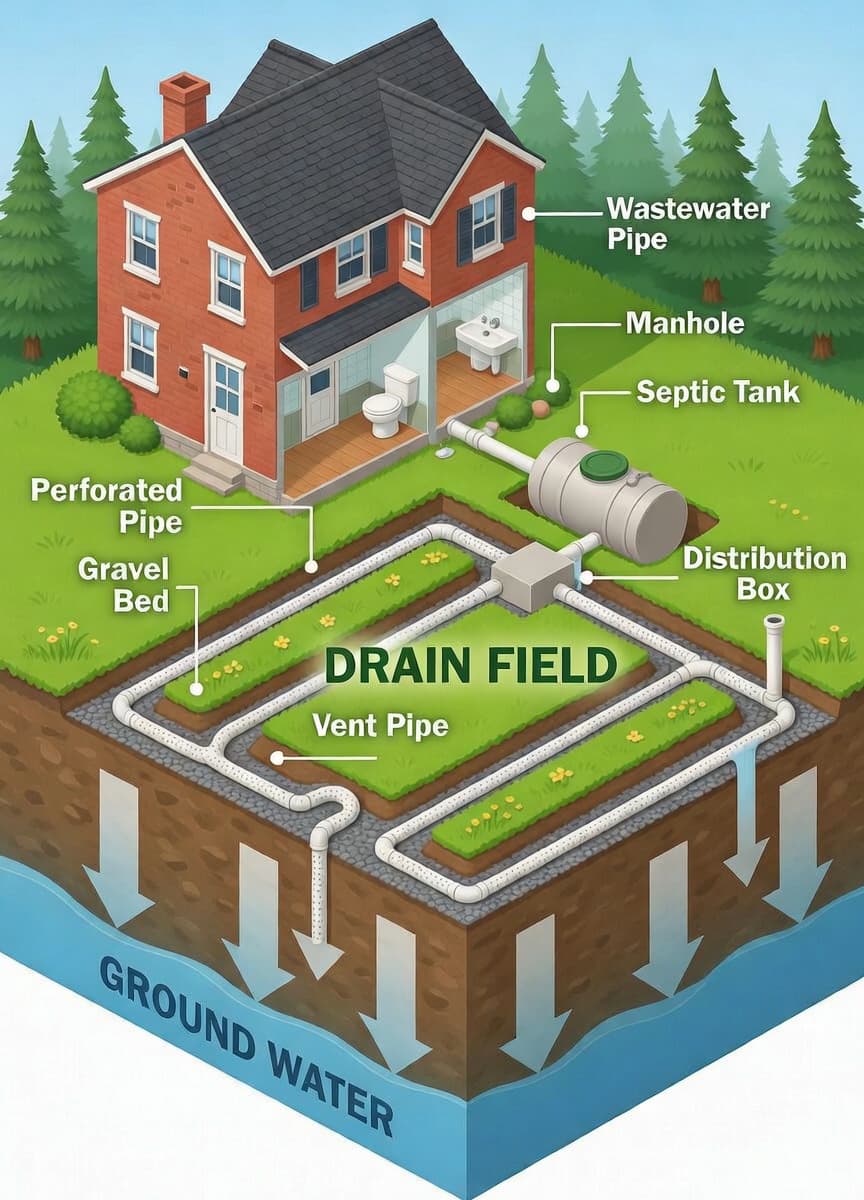
A distribution box is a small concrete or plastic underground box that receives clarified effluent from the septic tank outlet and divides it equally among the drainfield pipe lines to ensure even distribution across the entire drainfield area. An uneven or clogged D-box causes some drainfield sections to receive too much effluent while others receive too little, accelerating failure in the overloaded sections and leaving other sections underused. D-box condition should be checked during every professional inspection. See our septic inspection cost guide for what a thorough inspection should include.
Related Articles
Cost Guide
Septic Tank Pumping Cost 2026
Guide
How Often to Pump Your Septic Tank
Cost Guide
Septic Inspection Cost 2026
Problem Guide
Signs Your Drainfield Is Failing
Problem Guide
Septic Tank Backing Up

Problem Guide
Septic Smell in Your Yard
Review
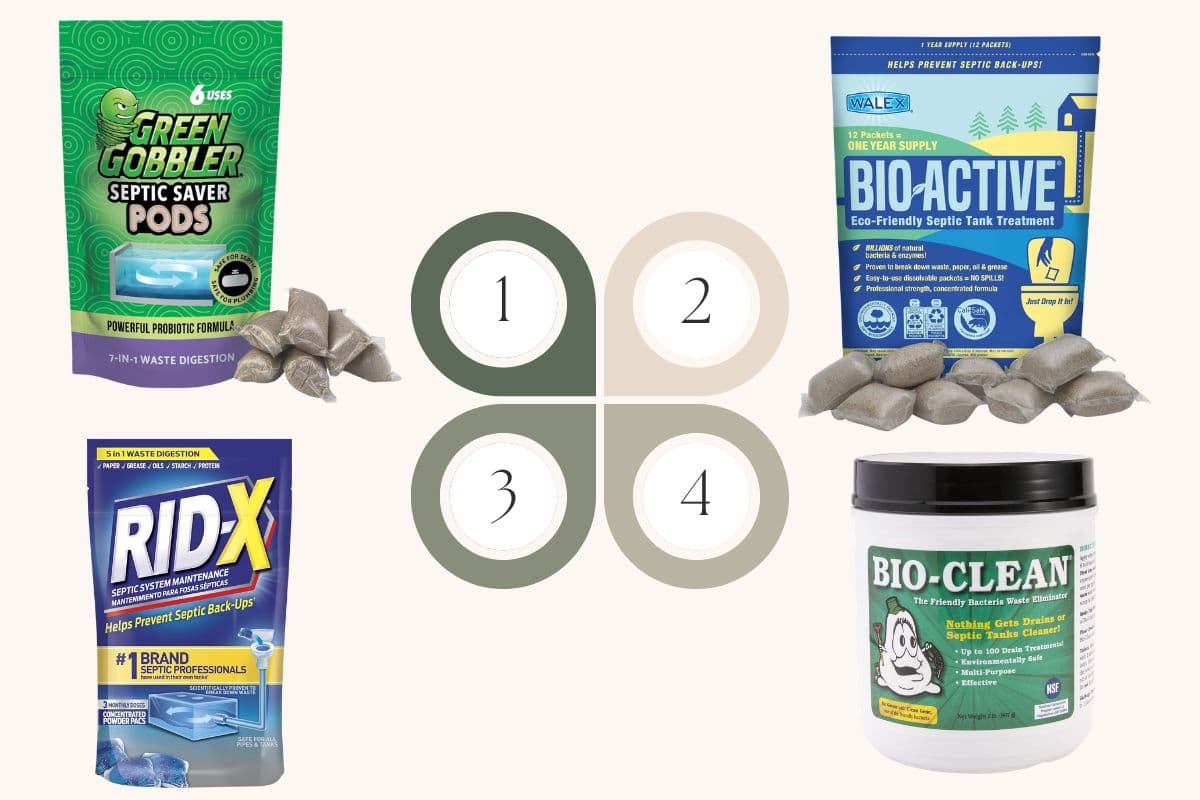
Best Septic Tank Treatments
Review
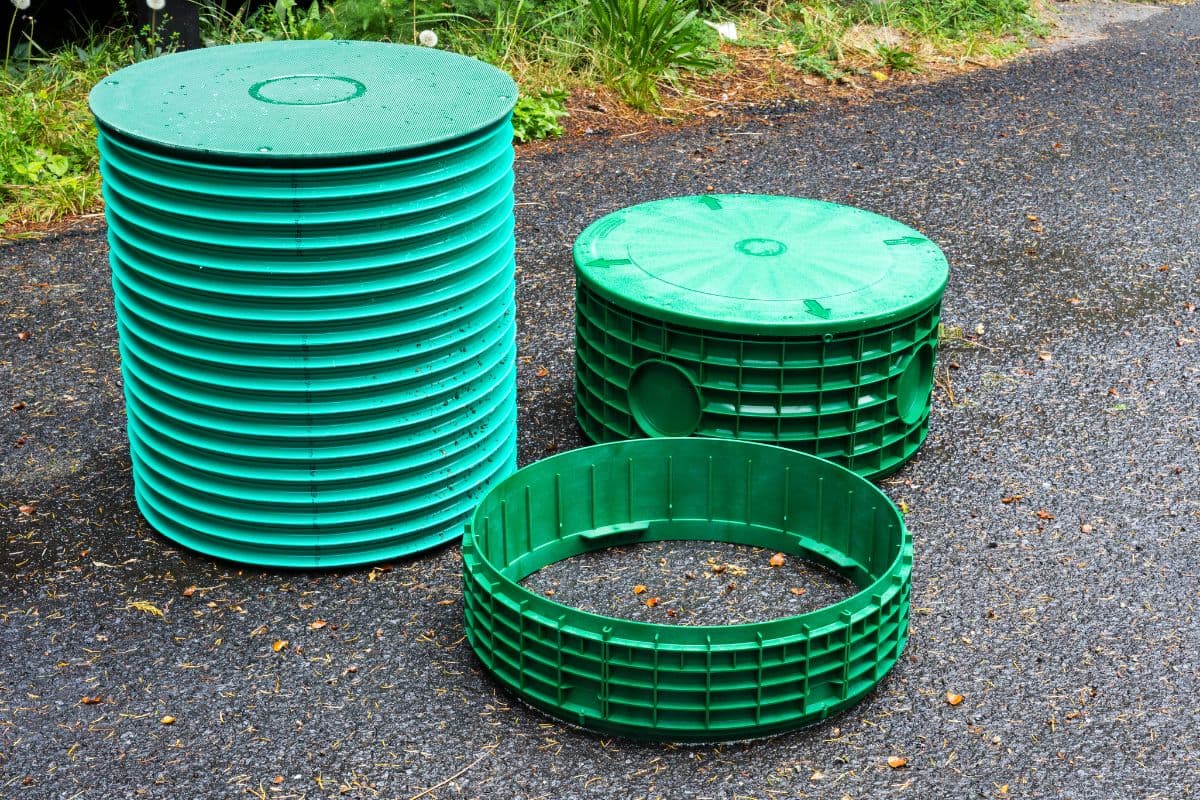
Best Septic Tank Risers
Review
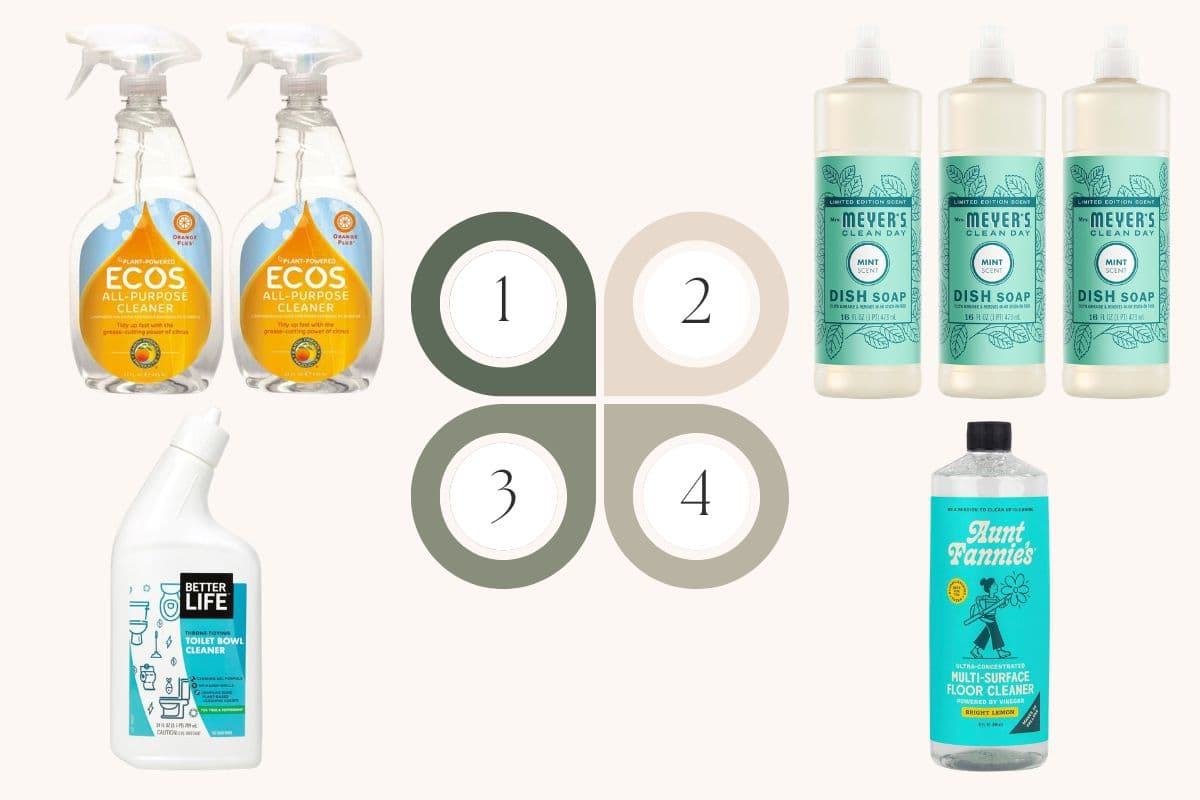
Best Septic-Safe Cleaning Products
%20.jpg&w=3840&q=75)
Review
Best Drain Cleaners for Septic Systems

Guide
Septic System Winter Care
Guide
Complete Septic System Guide
From Our Network
Managing a septic system is one part of broader home maintenance that affects your whole property. The Basement Guide covers sump pumps, French drains, and interior drainage systems at thebasement.guide that directly affect groundwater levels around your drainfield. The Garage Guide covers floor drains and garage drainage at thegarage.guide which matter if your garage drain connects to your septic system.
Get Expert Septic Help
Connect with qualified septic professionals in your area. Free quotes, no obligation.