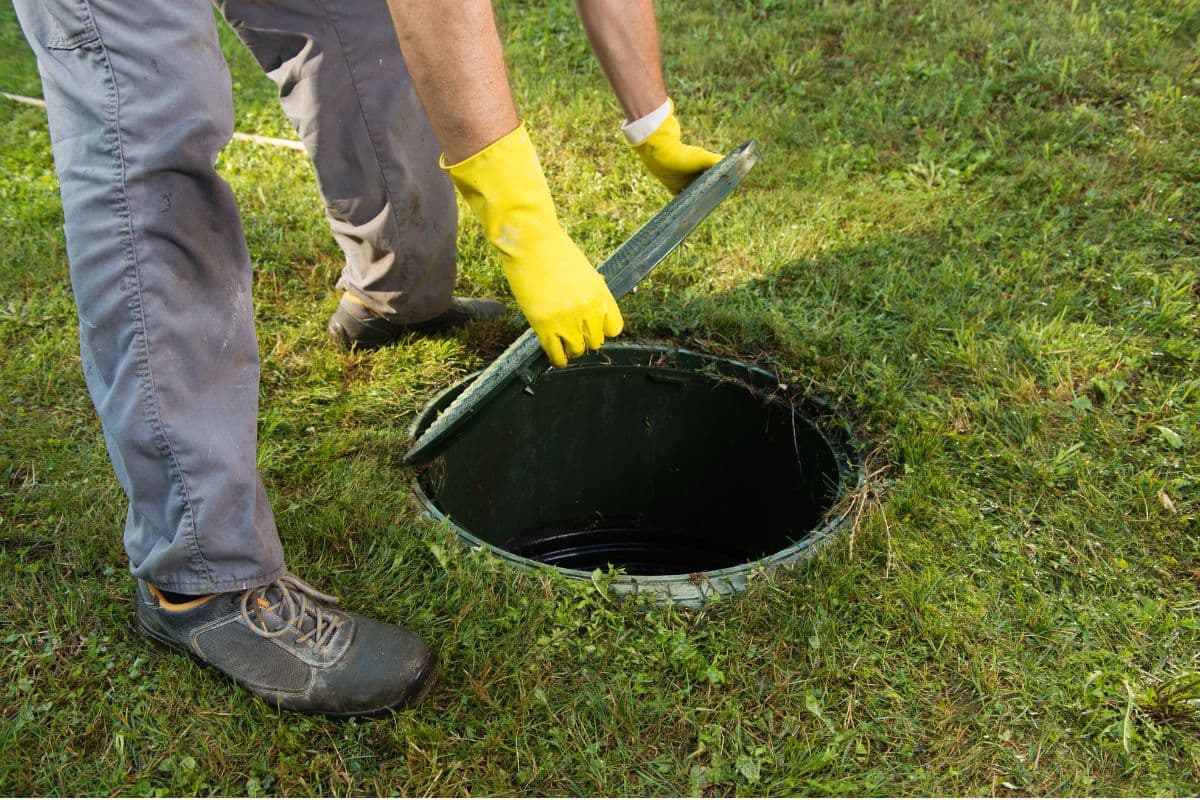
Buying a home with a septic system means purchasing a property that manages its own wastewater treatment through an on-site system consisting of a septic tank, drainfield, and connecting pipes rather than connecting to a municipal sewer, making the condition, age, and maintenance history of that system a direct financial liability that transfers to the buyer at closing. A septic system in poor condition can require $5,000 to $20,000 in repairs or replacement immediately after purchase, and unlike a roof or HVAC system, septic failures are almost never covered by standard homeowners insurance because they result from gradual deterioration rather than sudden accidental damage. The pre-purchase septic inspection is the only reliable tool for assessing system condition before closing, and a full inspection including tank pumping, baffle assessment, drainfield evaluation, and a backflow test costs $300 to $1,000 - a fraction of what a missed failure costs to fix.
One in five homes in the United States uses a septic system. If you are buying one of them, the septic system should be as central to your due diligence as the roof, foundation, and HVAC. Over 30 states require a septic inspection before a home can be sold. Even if your state does not require one, skipping it is one of the most expensive mistakes a homebuyer can make.
This guide covers exactly what to ask, what to inspect, what the results mean, and how to negotiate if problems are found.
10 Questions to Ask the Seller Before the Inspection
These questions reveal how well the system has been maintained. The answers — or lack of answers — tell you a lot.
1. How old is the septic system?
A well-maintained system lasts 20–30 years. If the system is 25+ years old, budget for potential replacement ($8,000–$20,000) within the next 5–10 years. The age should be on the original installation permit.
2. When was the tank last pumped?
A system that has been pumped every 3–5 years has been maintained. A seller who does not know the last pump date is a red flag.
3. Do you have maintenance records?
Pumping receipts, inspection reports, and repair records indicate responsible ownership. No records suggest deferred maintenance.
4. Has the system ever backed up or had problems?
Ask directly. In most states, sellers are legally required to disclose known defects.
5. Where is the septic tank and drainfield located?
A seller who cannot point to their tank and drainfield likely has not maintained the system. The local health department should have a site plan on file.
6. What type of system is it?
Conventional, aerobic, mound, or chamber. Aerobic systems have mechanical components requiring annual maintenance and electricity. This affects your ongoing costs.
7. What size is the tank?
Tank size should match the home's bedroom count. A three-bedroom home typically needs a 1,000-gallon tank. If bedrooms have been added since the original installation, the system may be undersized.
8. Is there a designated replacement drainfield area?
Most original septic permits designate a reserve area for a future replacement drainfield. If that area has been built on (patio, shed, driveway), your replacement options are severely limited and more expensive.
9. Has anything been built or parked over the tank or drainfield?
Structures, patios, or regular vehicle traffic over septic components cause damage. Soil compaction over the drainfield is permanent and can lead to premature drainfield failure.
10. Are there any trees within 30 feet of the drainfield?
Tree roots are a common cause of pipe blockage and system failure. Large trees near the drainfield are a long-term risk.
The Two Types of Septic Inspections
Not all septic inspections are equal. Know the difference before you schedule.
Visual Inspection — $100–$300
The inspector flushes toilets, runs water, checks drain speed, and walks the drainfield area looking for surface issues (wet spots, odors, green patches). They check the tank lid, risers, and any visible components. This is a surface-level assessment that can catch obvious problems but will not reveal what is happening inside the tank.
Our recommendation: A visual inspection alone is not sufficient for a home purchase. It misses too much.
Full Inspection — $300–$1,000
A full inspection includes everything in a visual inspection plus: opening the tank, measuring sludge and scum levels, pumping the tank, inspecting baffles and the effluent filter, checking for backflow from the drainfield, assessing the distribution box, and sometimes a camera inspection of the sewer line.
Our recommendation: Always get a full inspection when buying a home. The additional $200–$700 over a visual inspection is insignificant compared to the cost of a system you did not know was failing.
What a Full Inspection Checks
| Component | What the Inspector Looks For |
|---|---|
| Sewer line (house to tank) | Flow rate, blockages, root intrusion, pipe condition |
| Septic tank | Structural integrity, cracks, water level, sludge/scum depth |
| Inlet baffle | Presence, condition, blockages |
| Outlet baffle | Presence, condition, blockages |
| Effluent filter | Presence, condition, clogging |
| Distribution box | Level, structural integrity, equal flow distribution |
| Drainfield | Surface moisture, odor, grass condition, signs of surfacing |
| Backflow test | After pumping, checks if effluent flows back from drainfield (indicates failure) |
How to Read the Inspection Results
The inspector will give you a pass, a conditional pass, or a fail. Here is what each means for your purchase.
Pass
The system is functioning properly. No immediate repairs needed. This is the green light to proceed. Ask for a copy of the report for your records and note the recommended pumping schedule going forward.
Conditional Pass
The system is functional but has issues that need attention. Common conditional findings include:
- Clogged effluent filter ($50–$200 to clean/replace)
- Cracked baffle ($150–$500 to repair)
- Tank overdue for pumping ($300–$600)
- Lid that needs sealing
These are manageable repairs. Negotiate with the seller to address them before closing or reduce the price accordingly.
Fail
The system has a significant problem. Common failure findings include:
- Drainfield no longer absorbing effluent
- Cracked or leaking tank
- System does not meet current code
- System is undersized for the home
A failed inspection means you are looking at $3,000–$20,000+ in repairs or replacement.
What to Do If the Inspection Reveals Problems
A failed septic inspection does not mean you cannot buy the house. It means you need to negotiate.
Option 1: Seller Repairs Before Closing
Request that the seller fix the issues at their expense before you close. Get a re-inspection to confirm the repairs were done properly. This is the cleanest option.
Option 2: Price Reduction
Get quotes for the required repairs and negotiate the purchase price down by that amount. This gives you control over the repair process and the contractors used.
Option 3: Escrow Holdback
The estimated repair cost is held in escrow at closing and released to cover the work after the sale. This is common when repairs cannot be completed before the closing date.
Option 4: Walk Away
If your purchase agreement includes a septic inspection contingency (and it absolutely should), you can terminate the deal without penalty if the inspection reveals problems you are unwilling to absorb. A $15,000+ system replacement on a house you have not even moved into is a legitimate reason to walk away.
Always get it in writing. Whatever you negotiate, include it in the purchase agreement. Verbal assurances from sellers about septic system condition have no legal weight.
If the inspection identifies a failing or aging septic system, you need to budget for potential replacement before closing. Our septic cost calculator estimates new install, tank replacement, drainfield replacement, and full system replacement costs based on system type and home size, helping you negotiate or plan accordingly.
Red Flags to Watch for During the House Tour
You do not need an inspector to notice these warning signs. Look for them during any showing or walkthrough.
Lush Green Strips
Strips of grass noticeably greener than the surrounding lawn, especially in dry weather. This often marks a drainfield leaking effluent near the surface.
Wet or Soggy Soil
Wet, soggy, or spongy soil in areas away from downspouts or irrigation. This can indicate drainfield saturation or failure.
Sewage Odor
Sewage odor anywhere in the yard, near the tank area, or inside the house — especially in the basement or lowest level.
Gurgling Drains
Gurgling drains or slow-flushing toilets during the tour. Run water and flush toilets in multiple bathrooms to test.
Structures Over Drainfield
Decks, patios, sheds, driveways, or parking areas over the drainfield indicate the previous owner did not understand or care about the system. This damage may be permanent.
Large Trees Nearby
Mature trees within 30 feet of septic components have root systems that may already be infiltrating pipes.
Your Ongoing Costs as a Septic Homeowner
If you have never owned a septic system before, here is what to budget for annually.
| Expense | Frequency | Cost |
|---|---|---|
| Tank pumping | Every 3–5 years | $300–$600 |
| Annual inspection | Yearly (recommended) | $100–$300 |
| Effluent filter cleaning | Every 1–2 years | $0 (DIY) to $100 |
| Septic-safe products | Ongoing | Comparable to regular products |
| Monthly treatment (optional) | Monthly | $10–$20/month |
Averaged out, septic maintenance costs roughly $200–$400 per year. This is comparable to or less than the annual sewer fees many municipal homeowners pay. The key difference is that you are responsible for the maintenance, not the city.
First 30 Days After Moving In
If you have just closed on a home with a septic system, here is your checklist.
Locate all components
Find the tank, risers/lids, distribution box, and drainfield boundaries. Get a copy of the site plan from your local health department if you do not have one.
Pump the tank
If it was not pumped during the pre-sale inspection, pump it now. Start your ownership with a clean baseline.
Install risers
If the tank lids are buried, install risers. This one-time $200–$400 investment saves you money on every future service visit.
Learn what not to flush
Read our complete dos and don'ts guide and make sure everyone in the household knows the rules.
Set a pumping reminder
Mark your calendar for the next pumping based on your household size and tank capacity.
Keep a maintenance folder
Start documenting every service visit, inspection, and repair. This protects your investment and makes your future resale smoother.
Frequently Asked Questions
Is a septic inspection required when buying a house?
How much does a septic inspection cost?
Who pays for the septic inspection when buying a house?
What happens if the septic system fails the inspection?
How long do septic systems last?
Can I get a mortgage on a house with a failed septic system?
Glossary
Septic Inspection Contingency
A septic inspection contingency is a clause in the purchase agreement that gives the buyer the legal right to cancel the transaction or renegotiate the terms if the septic inspection reveals significant problems, without forfeiting their earnest money deposit. This contingency should always be included in any offer on a home with a septic system, and it should specify a timeframe for completing the inspection, what constitutes a failure triggering the contingency, and what remedies are available to the buyer.
Point-of-Sale Inspection
A point-of-sale inspection is a septic evaluation required by state or local law before a property with an on-site wastewater system can be legally transferred to a new owner, designed to ensure that failing systems are identified and addressed before the financial burden transfers to an unsuspecting buyer. Over 30 states have some form of this requirement, and in those states a system that fails the inspection must be repaired or replaced before the sale can close, giving buyers significant protection that does not exist in states without the requirement.
Backflow Test
A backflow test is a diagnostic procedure performed during a full septic inspection in which the tank is pumped empty and the inspector monitors whether effluent flows back from the drainfield into the tank, which indicates that the drainfield soil is saturated or has lost its absorption capacity and can no longer accept effluent at a normal rate. Significant backflow is one of the clearest indicators of drainfield failure or severe saturation and is a finding that typically warrants either professional rejuvenation at $1,000 to $5,000 or full drainfield replacement at $5,000 to $15,000.
As-Built Drawing
An as-built drawing is a diagram filed with the local health department at the time of septic system installation showing the exact location, dimensions, and layout of every system component including the tank, distribution box, drainfield trenches, and all connecting pipes as they were actually constructed. Requesting a copy of the as-built drawing before closing is essential for understanding where all components are located, confirming the system was built as permitted, and planning future maintenance access without excavating the entire yard to find buried components.
Reserve Drainfield Area
A reserve drainfield area is a section of the property designated in the original septic permit specifically for a future replacement drainfield, set aside at the time of initial installation to ensure a viable replacement location exists when the original field reaches the end of its lifespan. If the reserve area has been built on, paved, or otherwise compromised by the previous owner, replacement options become severely limited and may require expensive engineered alternatives or creative site engineering, significantly increasing the cost of an eventual drainfield replacement.
Escrow Holdback
An escrow holdback is an arrangement in a real estate transaction where an agreed-upon amount of money is withheld from the seller's proceeds at closing and held by the title company or escrow agent until specified repairs have been completed and verified, commonly used when septic repairs cannot be finished before the closing date. The holdback amount should equal the full estimated cost of the repairs plus a contingency buffer of 10 to 20 percent, because septic repair costs can increase once excavation begins and actual conditions are assessed.
Certificate of Compliance
A certificate of compliance is a document issued by the local health department confirming that the septic system meets current code requirements at the time of inspection, required in many states as a condition of property transfer. In states with point-of-sale inspection requirements, the certificate of compliance is the official document that allows the sale to proceed, and a system that cannot obtain one must be repaired or replaced before the transfer can be completed.
Bedroom Count Capacity
Bedroom count capacity is the method used by health departments to size residential septic systems, based on the assumption that each bedroom represents a potential additional occupant generating approximately 120 gallons of wastewater per day, which determines the minimum tank size and drainfield area required for the property. If bedrooms have been added to the home since the original septic permit was issued without a corresponding upgrade to the system, the tank may be undersized and non-compliant with current code, which can affect the sale, financing, and long-term system performance.
Related Guides
On theseptic.guide
Septic Inspection Cost
Every inspection type priced out, what each level includes, what to insist on for a home purchase, and the hidden fees that inflate quotes.
Selling a Home with a Septic System
The seller's counterpart to this guide covering pre-listing inspections, disclosure requirements, and how a well-documented system protects your asking price.
Drainfield Replacement Cost
The most expensive outcome of a failed pre-purchase inspection, with a full cost breakdown by system type and what drives the price from $5,000 to $20,000.
Septic System Repair Cost
Every repair priced out from a $50 filter cleaning to a $15,000 drainfield replacement so you can evaluate inspection findings against realistic repair costs before negotiating.
Septic System Installation Cost 2026
Full cost breakdown for new and replacement systems by type, relevant when an inspection reveals the system needs full replacement before or after closing.
Signs Your Drainfield Is Failing
The warning sign progression to look for during house tours and inspections, from earliest symptoms to complete failure.
How Often Should You Pump Your Septic Tank?
The pumping schedule you will need to follow as a new septic homeowner, by tank size and household size.
Septic Tank Pumping Cost 2026
What to budget for routine maintenance after closing, with real pricing by tank size and region.
Complete Septic System Guide
How every component of the system works, what each one costs to repair or replace, and what responsible ownership looks like from day one.
Does Insurance Cover Septic Repair and Replacement?
Why most septic repairs are out-of-pocket expenses and what optional coverage is worth adding to your homeowners policy after closing.
Septic System Maintenance Checklist
The complete ongoing maintenance schedule to follow as a new septic homeowner to protect the system you just purchased.
How to Find Your Septic Tank
Step-by-step instructions for locating the tank, distribution box, and drainfield boundaries on your new property if the seller cannot provide an as-built drawing.
Septic Tank Size Guide
How to confirm the tank is correctly sized for the number of bedrooms in the home you are purchasing and what undersizing means for maintenance costs.
What You Can and Cannot Flush
The household rules every new septic homeowner needs to know on day one to protect the system from the most common and preventable causes of failure.
Best Septic Tank Risers
The first upgrade worth making after closing if the tank lids are buried, eliminating excavation fees at every future service visit.
From Our Network
Does Homeowners Insurance Cover Basement Flooding?
For homebuyers purchasing a home with both a septic system and a basement, this guide covers the insurance gaps that exist for both systems and how to close them.
Best Sump Pumps 2026
Homes with septic systems often also have sump pumps managing groundwater. Reviewed and ranked options for homeowners managing both systems after closing.
If the property also has a private well, see our guide on swimming pools and septic systems for how a pool on the same property affects the septic system — a common scenario on rural and semi-rural properties with both systems.
Also on The Well Guide
Need a Septic Inspection Quote?
Get free quotes from licensed septic inspectors in your area. We connect you with professionals who specialize in pre-purchase septic evaluations.
Get Free QuotesGet Expert Septic Help
Connect with qualified septic professionals in your area. Free quotes, no obligation.
The Home Guide Network Editorial Team
Our guides are researched and written by the editorial team at The Home Guide Network, an independent publisher covering home systems for homeowners. We cover garages, basements, septic systems, and wells across four dedicated guide sites. Learn more at thehome.guide.