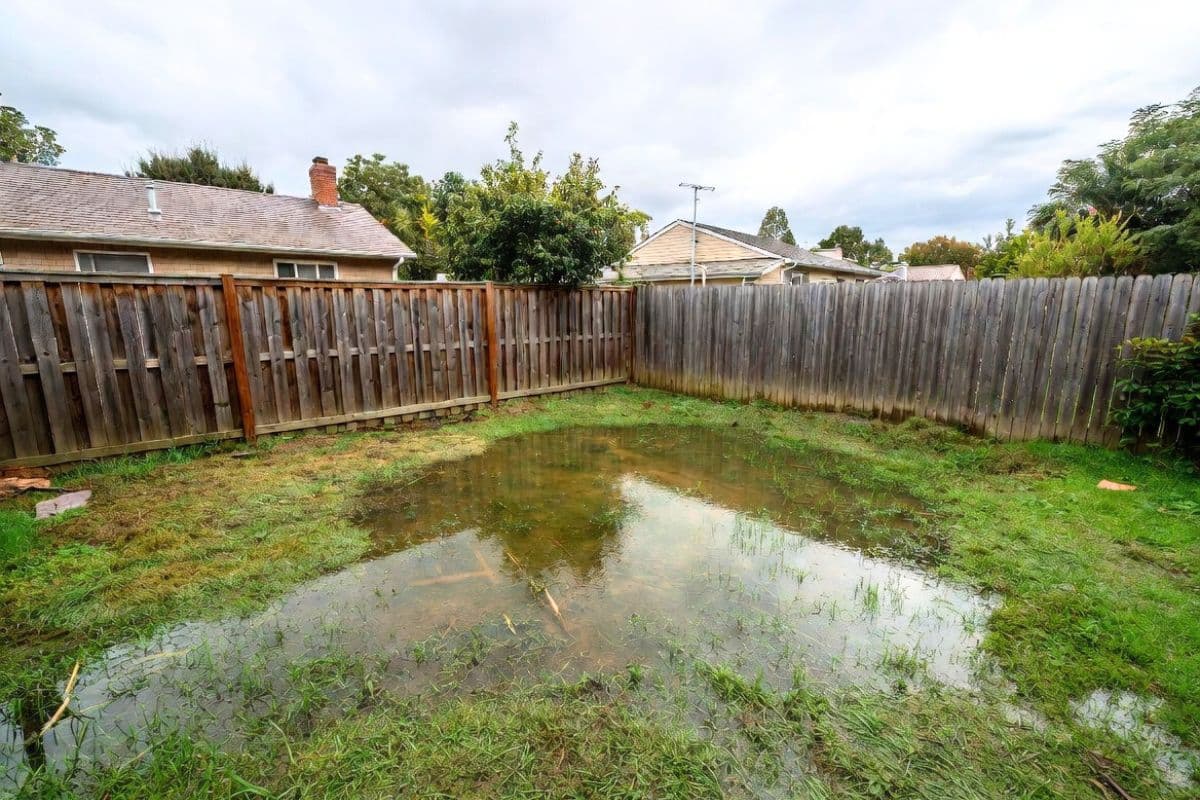
A properly functioning septic system handles normal rainfall without any problems. But when heavy or prolonged rain overwhelms the system, sewage can back up into your home, surface in your yard, or pool over the drainfield. This is not just unpleasant — it is a health hazard.
Septic overflow after rain is a specific failure event in which rainfall overwhelms one or more components of an on-site septic system that was functioning adequately under normal dry-weather conditions. It is distinct from a standard septic backup caused by a full tank or drainfield failure because the triggering factor is external water volume rather than internal system degradation, though rain frequently exposes pre-existing weaknesses that dry conditions were masking. The overflow occurs because a septic system is designed to handle only the wastewater generated inside the home, and any pathway that allows rainwater, groundwater, or stormwater runoff to enter the system adds volume the system was never sized to process. Understanding which of the five entry pathways is responsible for a specific overflow event determines whether the fix is free (disconnecting a downspout), inexpensive (sealing a tank lid), or significant (drainfield replacement).
This guide explains the five mechanisms that cause rain-related septic overflow, what to do during an active overflow, and the specific fixes that prevent it from recurring.
Understanding Why Rain Causes Septic Overflow
Mechanism 1: Drainfield Saturation
Your drainfield relies on unsaturated soil to absorb and filter effluent. When heavy rain saturates the surrounding soil, there is nowhere for the effluent to go. It backs up through the distribution lines, into the tank, and eventually into the house or onto the ground surface.
The effluent itself may also rise to the surface over the drainfield, creating wet spots, foul odors, and visible sewage on the lawn.
Key indicator: Problems appear only during or after heavy rain and resolve within a few days of dry weather.
Mechanism 2: Groundwater Infiltration Into the Tank
When the water table rises during prolonged rain, groundwater can enter the septic tank through cracked lids, unsealed risers, deteriorated pipe connections, or cracks in the tank walls. This fills the tank with clean water that has no business being there, displacing capacity meant for household wastewater.
A tank receiving groundwater infiltration may fill faster than it can discharge to the drainfield, causing backup.
Key indicator: The tank refills unusually fast after pumping, even with minimal water use in the home.
Mechanism 3: Stormwater Inflow (Direct Connection)
This is the most damaging and most preventable cause. When roof downspouts, sump pumps, foundation drains, or yard drains are connected to the septic system — either intentionally or by accident — hundreds of gallons of stormwater per hour can flood the tank during a rain event.
A single downspout on a 1,500 square foot roof section can deliver over 900 gallons per inch of rainfall. A typical residential septic tank holds 1,000 to 1,500 gallons total.
Key indicator: Opening the tank during rain reveals water flowing into the inlet pipe when no one in the house is using water.
Mechanism 4: Saturated Soil Compaction Over the Drainfield
If vehicles, heavy equipment, or even consistent foot traffic crosses the drainfield when the soil is saturated, the soil compacts. Compacted soil loses the air spaces that allow effluent to percolate. This turns a temporary rain problem into a permanent drainfield failure.
Key indicator: Overflow problems that started after a specific event (parking on the drainfield, construction equipment crossing the area) and never fully resolved.
Mechanism 5: System Already at Capacity
A tank that is overdue for pumping or a drainfield that is aging and partially clogged may function adequately under normal conditions but fail under the added stress of heavy rain. The rain does not cause the problem — it exposes it.
Key indicator: Slow drains or occasional odors even during dry weather, with full backup only during rain.
What to Do Right Now During an Active Overflow
If your septic system is currently backing up during or after rain, take these steps in order.
Step 1: Stop Using Water Immediately
Every gallon you send into the system makes the problem worse. No laundry, no dishwasher, no long showers, no baths. Use toilets only when absolutely necessary and flush only once.
Step 2: Do Not Pump the Tank While the Ground Is Saturated
This is counterintuitive but critical. The EPA specifically warns against pumping during flooding. Pumping an empty tank in saturated soil can cause the tank to float out of the ground due to hydrostatic pressure, cracking pipes and destroying connections. Wait until the water table drops and the soil around the tank is no longer saturated.
Step 3: Check for Sewage Backup Inside the House
If sewage is coming up through basement floor drains, shower drains, or toilets, plug the lowest drains immediately. A rubber test plug or inflatable drain plug ($10 to $20 at any hardware store) prevents sewage from entering your living space. If sewage has already entered, avoid contact, ventilate the area, and plan for cleanup after the water recedes.
Step 4: Do Not Drive or Walk on the Drainfield
Saturated soil compacts easily under weight. Compacted soil loses its ability to absorb effluent, turning a temporary problem into a permanent one. Keep vehicles, heavy equipment, and foot traffic off the drainfield area until it has fully dried.
Step 5: Wait for the Soil to Dry
In most cases, the system will recover on its own once the drainfield soil drains and dries. Recovery time depends on soil type — sandy soil may drain in 1 to 2 days, clay-heavy soil may take 5 to 7 days or longer. Continue minimizing water use until drains are flowing normally.
Step 6: Call a Professional if Symptoms Persist More Than 7 Days
If the system does not recover within a week of dry weather, the rain likely exposed an underlying problem — clogged drainfield, cracked tank, or stormwater inflow — that needs professional diagnosis. See our septic tank backup guide for more details.
Diagnosing Which Mechanism Is Causing Your Problem
| Observation | Most Likely Mechanism | Next Step |
|---|---|---|
| Problems only during/after heavy rain, resolve within days | Drainfield saturation | Improve surface drainage (normal unless chronic) |
| Problems during even moderate rain | Groundwater infiltration or stormwater inflow | Inspect tank for entry points, check for connected stormwater |
| Tank refills quickly after pumping with no water use | Groundwater infiltration into tank | Inspect and seal tank lids, risers, pipe connections |
| Inlet pipe has water flowing when no one is using water | Stormwater inflow (direct connection) | Trace and disconnect stormwater source |
| Drainfield area is soggy even in dry weather | Drainfield failure (not just rain-related) | Drainfield inspection and potential replacement |
| Sewage smell in yard during/after rain | Effluent surfacing from saturated drainfield | Reduce water use, improve grading, may need drainfield work |
| Problem is new (never happened before in heavy rain) | New stormwater connection, recent construction, or tank damage | Investigate recent changes to property drainage |
Long-Term Fixes to Prevent Rain-Related Overflow
1. Disconnect All Stormwater Sources
Verify that no downspouts, sump pumps, foundation drains, or yard drains are connected to the septic system. Redirect all stormwater at least 20 feet away from the tank and drainfield. This is the single most impactful fix for homes that experience overflow during rain.
Cost: $0 to $500 depending on rerouting complexity.
2. Improve Surface Drainage Around the Drainfield
Grade the ground around the drainfield so surface water flows away from it, not toward it or over it. Install swales, French drains, or berms uphill of the drainfield to divert runoff. Ensure gutters and downspouts discharge well away from the drainfield area.
Cost: $500 to $3,000 for grading and drainage work.
3. Seal the Septic Tank Against Groundwater
Inspect tank lids, risers, and all pipe connections for cracks, gaps, or deteriorated gaskets. Replace rubber gaskets on plastic lids. Seal concrete lid joints with waterproof sealant. Ensure risers have watertight connections to the tank. This prevents groundwater from infiltrating and filling the tank during high water table conditions.
Cost: $50 to $400 for sealing and gasket replacement.
4. Pump on Schedule
A tank that is pumped on schedule has reserve capacity to handle the temporary reduction in drainfield absorption during rain. An overdue tank has no buffer. Pump every 3 to 5 years for a typical household, or more frequently for larger families or smaller tanks.
Cost: $300 to $600 per pumping. See our pumping schedule guide.
5. Install an Effluent Filter
An effluent filter on the tank outlet prevents solids from reaching the drainfield, extending its life and maintaining its ability to handle rain events. A clogged drainfield is far more vulnerable to rain-related overflow than a healthy one.
Cost: $80 to $200 installed. Clean annually during pumping.
6. Reduce Water Use During Heavy Rain
When heavy rain is forecasted, reduce household water use proactively. Delay laundry, run dishwashers only when full, and take shorter showers. This reduces the volume entering the tank during the period when the drainfield is least able to handle it.
Cost: Free.
Repair and Prevention Costs
| Fix | DIY or Pro? | Estimated Cost |
|---|---|---|
| Redirect downspouts away from system | DIY | $0 – $100 |
| Disconnect sump pump from septic | DIY or Plumber | $0 – $300 |
| Replace tank lid gasket | DIY | $10 – $30 |
| Seal tank lids and risers | DIY | $20 – $100 |
| Install effluent filter | Professional | $80 – $200 |
| Pump septic tank | Professional | $300 – $600 |
| Grading and surface drainage work | Professional | $500 – $3,000 |
| Install curtain drain uphill of drainfield | Professional | $1,000 – $4,000 |
| Drainfield rejuvenation | Professional | $1,000 – $5,000 |
| Drainfield replacement | Professional | $5,000 – $15,000 |
Start with the free and low-cost fixes. Disconnecting stormwater sources, sealing tank lids, and reducing water use during rain cost almost nothing and solve the majority of rain-related overflow problems.
Prevention Priority Guide
| Your Situation | Priority Action | Cost | When to Do It |
|---|---|---|---|
| Downspouts, sump pump, or foundation drains connected to septic | Disconnect and redirect immediately | $0 to $300 | Before the next rain event |
| Tank not pumped in 3 or more years | Schedule pump-out as soon as ground is dry | $300 to $600 | Within 30 days |
| Tank lids, risers, or pipe connections unsealed or cracked | Seal with waterproof sealant, replace gaskets | $50 to $400 | Before the next rain event |
| No effluent filter installed | Install effluent filter at tank outlet | $80 to $200 | At next pump-out visit |
| Surface water drains toward drainfield | Regrade yard and install swales to redirect runoff | $500 to $3,000 | Before wet season |
| Drainfield sits at base of slope | Install curtain drain uphill of drainfield | $1,000 to $4,000 | Before wet season |
| Overflow only during extreme rain, system otherwise healthy | Reduce water use proactively during heavy rain forecasts | $0 | Every significant rain event |
| Overflow recurring after every moderate rain | Professional inspection to evaluate drainfield condition | $300 to $600 | Immediately |
| Drainfield soggy even in dry weather | Drainfield failure evaluation and likely replacement | $5,000 to $15,000 | Immediately |
| Distribution box cracked or tilted | D-box inspection, leveling, or replacement | $200 to $500 | Within 60 days |
| Overflow started after nearby construction or excavation | Check for new stormwater connections or soil compaction | $0 to $1,000 | Immediately |
| Well located near drainfield overflow area | Well water testing after every overflow event | $50 to $150 per test | After each overflow until resolved |
| Buying a home with history of rain-related overflow | Full septic inspection before closing | $300 to $600 | Before making an offer |
Frequently Asked Questions
Why does my septic system overflow when it rains?
Should I pump my septic tank during heavy rain?
How long does it take for a septic system to recover after heavy rain?
Can connecting downspouts to my septic system cause overflow?
How do I prevent septic overflow during rain?
Is septic overflow after rain dangerous?
Glossary
Related Guides
Guides and resources related to diagnosing and preventing septic overflow after rain.
On theseptic.guide
Signs Your Drainfield Is Failing
How to distinguish temporary rain-related drainfield saturation from permanent drainfield failure, and what the progression looks like from early stress indicators through full system failure.
Septic Tank Backing Up
What to do when rain-related overflow has progressed to active sewage backup inside the home, including the immediate emergency steps and when to call for professional service.
Septic Smell in the Yard
The companion problem guide covering outdoor septic odor that often accompanies surface overflow, particularly when effluent is surfacing over a saturated drainfield.
Septic Smell Inside the House
How drainfield saturation and stormwater inflow push gases backward through the plumbing system into the home, and the 10-cause diagnostic guide for tracing the indoor smell to its source.
Slow Drains on a Septic System
How a partially saturated or failing drainfield causes whole-house slow drainage during and after rain events, and how to determine whether the cause is upstream in the plumbing or downstream in the drainfield.
How Often Should You Pump Your Septic Tank?
Pumping intervals by tank size and household size, and why a tank pumped on schedule has the reserve capacity to handle rain-related drainfield stress without overflowing.
Septic Tank Pumping Cost 2026
What a pump-out costs by tank size and region, the most important preventive investment for avoiding rain-related overflow in a system that is approaching its normal pumping interval.
Drainfield Replacement Cost 2026
Full pricing for conventional, mound, and alternative drainfield replacement when rain-related overflow confirms a drainfield has failed rather than temporarily saturated.
Septic System Repair Cost 2026
Complete pricing for every repair type that rain events commonly expose, including D-box repair, pipe replacement, tank sealing, and drainfield rejuvenation.
Septic Inspection Cost 2026
What a professional inspection covers and costs when rain-related overflow persists beyond 7 days of dry weather and a system-level diagnosis is needed.
Septic System Maintenance Checklist
The full prevention schedule including pumping intervals, effluent filter cleaning, tank lid inspection, and the stormwater disconnection audit that eliminates the most common rain overflow cause.
How to Find Your Septic Tank
How to locate your tank, risers, and distribution box so you can inspect them for groundwater infiltration points before the next rain event.
Does Insurance Cover Septic Repair?
What homeowners insurance covers when rain-related overflow causes sewage backup damage inside the home, and what riders or add-ons provide coverage that standard policies exclude.
Buying a Home with a Septic System
How to evaluate a property's rain overflow history during due diligence, including what questions to ask about stormwater drainage, drainfield condition, and previous overflow events.
Aerobic vs Anaerobic Septic Systems
How aerobic treatment units handle high water table and drainage-challenged sites differently from conventional anaerobic systems, relevant when drainfield replacement is being evaluated after chronic rain overflow.
Concrete vs Plastic vs Fiberglass Septic Tanks
How tank material affects flotation risk during saturated soil conditions, and why concrete tanks are the safest choice on properties with high water tables or chronic flooding.
From Our Network
Best Sump Pumps 2026
For homes where a sump pump discharge is currently connected to the septic system and contributing to rain-related overflow, this guide covers proper sump pump routing and discharge options that protect the septic system.
Does Homeowners Insurance Cover Basement Flooding?
Rain events that overwhelm the septic system often coincide with basement flooding from the same storm. This guide covers what insurance covers for basement water damage alongside the septic overflow event.
Basement Emergency Water Plan
For homes where rain-related septic overflow has caused sewage to back up into the basement, this guide covers the immediate response steps for below-grade water and sewage intrusion events.
External Resource
Septic System Overflowing After Rain?
Connect with licensed septic professionals in your area who can diagnose the cause and fix it before the next storm.
Get Free QuotesGet Expert Septic Help
Connect with qualified septic professionals in your area. Free quotes, no obligation.