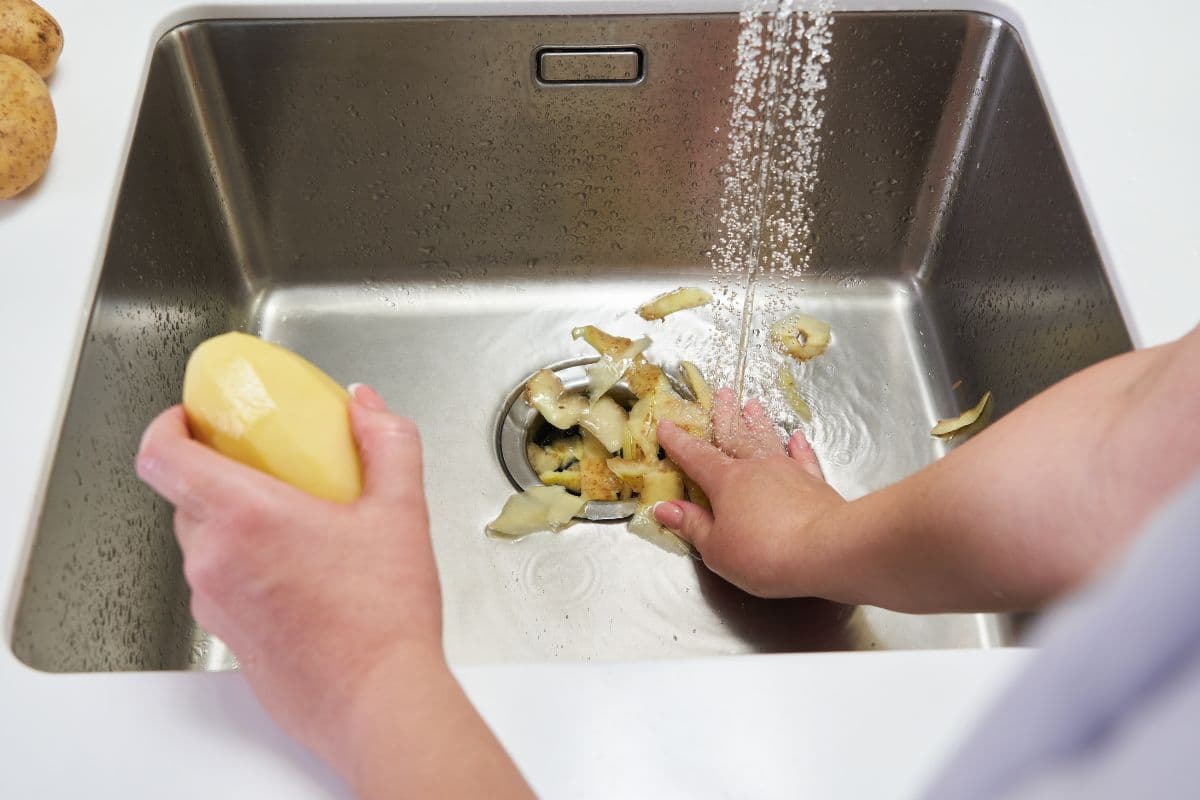
The short answer: yes, you can use a garbage disposal if you have a septic system. The real answer is more nuanced. A garbage disposal increases the solid waste entering your tank by 30 to 50 percent according to research from the University of Minnesota. That means faster sludge buildup, more frequent pumping, and a higher risk of drainfield failure if you do not adjust your maintenance schedule.
This guide covers everything you need to know: what happens inside the tank, what the research says, exactly how much it costs, which foods are safe, the 7 rules for safe use, and whether septic-specific garbage disposals are worth the premium. If you are new to septic ownership, start with our complete guide to how septic systems work.
A garbage disposal is a motor-driven grinding unit installed beneath a kitchen sink that shreds food waste into small particles so it can be washed down the drain with water. On a home connected to municipal sewer, those particles flow to a treatment plant equipped to handle the additional organic load. On a home with a septic system, those same particles flow directly into the buried tank where anaerobic bacteria must break them down alongside normal household waste. The problem is biological: septic tank bacteria evolved to digest human waste, not ground food scraps, and many common food particles including coffee grounds, eggshells, fibrous vegetables, and cooking grease resist bacterial breakdown entirely and accumulate as permanent sludge. For homeowners buying a home with an existing disposal or deciding whether to install one, the choice is not simply yes or no but rather a question of how much additional maintenance cost and drainfield risk you are willing to accept in exchange for the convenience.
What Happens When Food Waste Goes Into a Septic Tank
When you flip on the garbage disposal, ground food particles flow with water through your drain pipes into the septic tank. Inside the tank, three things happen:
1. Solids settle to the sludge layer
Ground food particles are heavier than water. They sink to the bottom and join the sludge layer. Unlike human waste, many food particles resist bacterial breakdown, meaning they accumulate faster and stay longer.
2. Fats float to the scum layer
Any fats, oils, or grease in the food waste rise to the surface and thicken the scum layer. If this layer grows too thick, it can block the outlet baffle and prevent effluent from flowing to the drainfield.
3. Bacteria struggle to keep up
The anaerobic bacteria in your septic tank evolved to digest human waste, not food waste. Coffee grounds, eggshells, bones, and fibrous vegetables are especially difficult for tank bacteria to process. The tank fills faster than it can digest.
The net result: your sludge and scum layers grow 30 to 50 percent faster. The effective volume of your tank shrinks. Solids are more likely to escape through the outlet and reach your drainfield, where they clog soil pores and cause irreversible damage. For more on how this process works, see our complete septic guide.
What the Research Actually Says
The most frequently cited research on garbage disposals and septic systems comes from university extension programs and state health departments. Here is what the data shows:
University of Minnesota Onsite Sewage Treatment Program
Found that garbage disposals increase suspended solids entering the septic tank by approximately 30 percent and can increase the biological oxygen demand (BOD) of wastewater by up to 50 percent. Recommends increasing tank size by 50 percent or reducing pumping intervals if a disposal is used regularly.
National Environmental Services Center (NESC)
States that garbage disposals substantially increase the amount of solids, grease, and BOD in septic tanks. Recommends that systems with garbage disposals have tanks at least 50 percent larger than minimum code requirements.
EPA Septic System Guidance
The EPA does not prohibit garbage disposals on septic systems but notes they increase the need for more frequent pumping and maintenance. The EPA recommends minimizing disposal use and never putting grease or oils down any drain.
The Bottom Line from Research
No major research institution says you cannot use a garbage disposal with a septic system. But every one of them says it increases maintenance requirements and risk. The consensus: if you use one, use it sparingly and pump more often.
The Real Cost of Using a Garbage Disposal on Septic
The garbage disposal itself costs $75 to $350. But the real cost is what it does to your septic maintenance budget over time.
| Cost Category | Without Disposal | With Regular Disposal Use | Extra Annual Cost |
|---|---|---|---|
| Pumping frequency | Every 3–5 years | Every 2–3 years | $75–$150/yr extra |
| Pumping cost per visit | $300–$600 | $300–$600 | Same per visit |
| Effluent filter cleaning | Every 12 months | Every 6–9 months | DIY or included in service |
| Drainfield failure risk | Low with proper maintenance | Moderate if not pumped on schedule | $5,000–$15,000 if failure occurs |
| 10-year total extra cost | — | — | $750–$1,500 minimum |
These costs assume everything goes well. If solids escape to the drainfield because you skipped a pumping, you are looking at $5,000 to $15,000 for a drainfield replacement. See our septic pumping cost guide for current pricing in your area.
What You Can and Cannot Put Down a Garbage Disposal on Septic
Foods That Are Generally Safe (in Small Amounts)
Rule of thumb: if it is soft enough to squish between your fingers, it is probably fine in small amounts.
- ✓ Small amounts of soft fruits and vegetables (berries, banana pieces, cooked carrots)
- ✓ Small pieces of cooked meat (no bones)
- ✓ Bread and soft grains in small quantities
- ✓ Dairy products (yogurt, soft cheese residue)
- ✓ Small plate scrapings of most cooked foods
- ✓ Ice cubes (helps clean the disposal blades)
Rule of thumb: if it is soft enough to squish between your fingers, it is probably fine in small amounts.
Never Put These Down a Garbage Disposal on Septic
| Food or Substance | Why It Is Harmful to Your Septic System |
|---|---|
| Cooking oil, grease, and animal fat | Floats to the scum layer and can escape to the drainfield, coating soil pores and causing failure. The single most damaging thing you can put down any drain on a septic system. |
| Coffee grounds | Do not break down in the tank. Accumulate as sludge rapidly. |
| Egg shells | Do not decompose. The calcium membrane can wrap around disposal blades and reduce effectiveness. |
| Bones (other than small fish bones) | Do not break down in a septic tank. Accumulate indefinitely as sludge. |
| Fibrous vegetables (celery, corn husks, artichoke leaves, asparagus, onion skins) | Fibers do not grind completely, can tangle in the disposal, and form mats in the tank that resist bacterial breakdown. |
| Pasta and rice in large quantities | Expand when waterlogged, adding disproportionate volume to the sludge layer. Small amounts rinsed off plates are fine. |
| Potato peels and starchy foods in bulk | Form a thick, gluey paste that resists bacterial digestion and can clog pipes between the house and the tank. |
| Fruit pits and seeds | Do not decompose. Hard enough to damage garbage disposal components. |
| Non-food items (paper, plastic, twist ties) | Will not break down in the tank. Can clog pipes and damage the disposal. |
For a complete list of what should and should not go down any drain, see our what you can and cannot flush guide.
7 Rules for Safe Garbage Disposal Use With a Septic System
Rule 1: Use it like a rinse aid, not a trash can
The garbage disposal should handle the small scraps left on plates after you have scraped the bulk of the food into the trash or compost bin. It should not be your primary method of food waste disposal.
Rule 2: Always run cold water before, during, and after grinding
Cold water solidifies any fats or oils so they get chopped by the blades rather than flowing into the tank as liquid grease. Run water for 15 seconds before grinding, keep it running during, and continue for 15 to 30 seconds after grinding stops.
Rule 3: Never pour cooking oil or grease down the disposal
This rule applies whether you have a septic system or municipal sewer, but it is especially critical with septic. Wipe greasy pans with a paper towel and throw the towel in the trash before washing.
Rule 4: Grind small batches, not large loads
Feeding a large volume of food scraps through the disposal at once overwhelms both the disposal and the septic tank. Small amounts spread over time allow the tank bacteria to keep up.
Rule 5: Pump your tank more frequently
If you use a garbage disposal regularly, reduce your pumping interval by about one year. If you would normally pump every 3 to 4 years, pump every 2 to 3 years instead. See our how often to pump guide for a detailed schedule.
Rule 6: Install or maintain your effluent filter
An effluent filter sits at the tank outlet and catches solids before they reach the drainfield. If you use a garbage disposal, an effluent filter is not optional. Clean it annually or have your pumper clean it during service visits.
Rule 7: Skip the enzyme and bacterial additives
The University of Minnesota Onsite Sewage Treatment Program and most septic professionals advise against additives, noting that a healthy septic tank already contains all the bacteria it needs. See our best septic tank treatments review for a detailed analysis.
Are Septic-Specific Garbage Disposals Worth It?
Several manufacturers sell garbage disposals marketed specifically for homes with septic systems. The most prominent is the InSinkErator Evolution Septic Assist, which includes an automatic enzyme injection system called Bio-Charge.
Septic-Specific Disposal Models
InSinkErator Evolution Septic Assist
3/4 HP disposal with two-stage grinding and automatic Bio-Charge enzyme injection. Retails for approximately $250 to $350. Replacement Bio-Charge cartridges cost $15 to $20 each, lasting about 3 to 4 months.
InSinkErator Evolution Septic Guard
3/4 HP motor with the BOOST injection system that automatically injects bacteria and enzymes. Retails for approximately $200 to $300.
Standard non-septic garbage disposals
Retail for $75 to $250 depending on horsepower and features.
Our Assessment
The finer grinding provided by higher-end septic disposal models is genuinely beneficial because smaller particles are easier for tank bacteria to break down. However, the enzyme injection systems are essentially the same bacterial/enzyme additives that most septic professionals say are unnecessary. You are paying a $100 to $200 premium for the unit plus $50 to $80 per year for cartridges, totaling roughly $1,000 to $1,600 in extra cost over 10 years.
A better investment: pump your tank one extra time ($300 to $500) and install an effluent filter ($50 to $200). If you do want a septic-specific model, the finer grind stage is the feature worth paying for, not the enzyme injection.
Frequently Asked Questions
Can you use a garbage disposal with a septic system?+
How much does a garbage disposal cost your septic system?+
What foods should never go in a garbage disposal on septic?+
Are septic-specific garbage disposals worth the extra cost?+
How often should you pump a septic tank if you use a garbage disposal?+
What foods are safe to put in a garbage disposal on septic?+
Should You Keep, Remove, or Limit Your Garbage Disposal?
| Your Situation | Recommendation | Action Required |
|---|---|---|
| New to septic, disposal already installed, system healthy | Keep with strict limits | Use for plate scrapings only, pump every 2 to 3 years, install effluent filter |
| Considering installing a disposal on an existing septic system | Install only if willing to adjust maintenance | Commit to more frequent pumping and effluent filter before installing |
| Heavy daily disposal user, pumping on normal schedule | Reduce use immediately | Switch to trash or compost for bulk food waste, adjust pumping interval now |
| Drainfield showing early stress signs (slow drains, wet spots) | Stop using disposal entirely | Remove or disconnect until drainfield condition is evaluated by a professional |
| Tank undersized for bedroom count already | Do not use disposal | Undersized tank has no capacity margin for additional solids load |
| Disposing of grease, oil, or coffee grounds regularly | Stop immediately | These materials do not break down and will accelerate drainfield failure |
| Buying a home with disposal on septic, no pump records | Get inspection and pump-out before closing | Confirm sludge depth and drainfield condition before assuming system is healthy |
| Selling a home with disposal on septic | Disclose disposal use in maintenance history | Buyers and inspectors will ask; document adjusted pumping schedule if you have one |
| Using a septic-specific disposal model with enzyme injection | Keep the grind function, skip the enzymes | Enzyme cartridges are unnecessary; invest the savings in an extra pump-out instead |
| Large household (5 or more people) with disposal | Pump every 2 years regardless | High occupancy plus disposal use leaves minimal tank capacity margin |
| Seasonal or vacation home with disposal | Pump before each extended vacancy | Food waste left in tank during vacancy can cause odor and bacterial imbalance |
| Disposal used only for small plate rinse residue | Keep with standard maintenance plus one year shorter interval | Light use is manageable with a modest adjustment to pumping schedule |
Glossary
Related Guides
On theseptic.guide
The complete list of safe and unsafe items for every drain in a septic-served home, including the full breakdown of kitchen drain items that the garbage disposal guide covers in detail.
How Often Should You Pump Your Septic Tank?The full pumping schedule by tank size and household size, including how garbage disposal use shortens the standard interval and how to calibrate your schedule to actual sludge depth readings.
Septic Tank Pumping Cost 2026What pump-outs cost by tank size and region, relevant for calculating the additional annual cost of the more frequent pumping schedule required with disposal use.
Signs Your Drainfield Is FailingThe warning signs that indicate solids or grease have already reached the drainfield, the most serious consequence of unmanaged garbage disposal use on a septic system.
Drainfield Replacement Cost 2026The $5,000 to $15,000 cost of the drainfield failure that garbage disposal misuse most commonly causes, priced out by system type and site conditions.
Septic System Maintenance ChecklistThe complete maintenance schedule for septic homeowners, including the adjusted pumping intervals and effluent filter cleaning frequency required for disposal users.
Septic System Dos and Don'tsEvery rule that protects a septic system, including the kitchen and drain practices that overlap with garbage disposal use.
Best Septic Tank TreatmentsWhy most bacterial and enzyme additives including those built into septic-specific disposal models are unnecessary in a healthy tank, with honest reviews of products that do and do not work.
Septic Tank Size GuideHow tank sizing accounts for garbage disposal use, including the recommendation to go one tank size larger than the minimum when a disposal will be used regularly.
How Long Does a Septic System Last?How disposal use affects overall system lifespan by accelerating drainfield loading, and what the research says about the long-term impact of regular disposal use on system longevity.
Buying a Home with a Septic SystemWhat to ask and inspect before closing on a home where a garbage disposal has been in use, including how to assess whether the tank and drainfield have been adequately maintained given the additional load.
Septic System Repair Cost 2026Full pricing for every septic repair type, including the drainfield and tank repairs most commonly associated with disposal misuse.
Complete Septic System GuideThe foundational reference covering how anaerobic bacteria process waste, why food scraps are harder to break down than human waste, and how every component of the system is affected by what goes down the drain.
Tank Backing UpWhat to do when heavy disposal use has contributed to a backup, including the immediate steps and the longer-term maintenance changes needed to prevent recurrence.
Slow Drains on a Septic SystemHow accumulated solids from disposal use contribute to slow whole-house drainage, and how to distinguish a disposal-related buildup problem from a drainfield failure.
From Our Network
For homes where a basement kitchen or wet bar includes a garbage disposal connected to the septic system, the same rules apply as above-grade disposal use. This guide covers basement finishing considerations including plumbing connections that affect septic load.
Does Homeowners Insurance Cover Basement Flooding?Sewage backup from a septic system overloaded by disposal use can cause basement damage. This guide covers what insurance covers when wastewater backs up into below-grade living spaces.
External Resource
Need Help With Your Septic System?
Connect with certified septic professionals in your area for inspections, pumping, and repairs.
Get Free QuotesGet Expert Septic Help
Connect with qualified septic professionals in your area. Free quotes, no obligation.