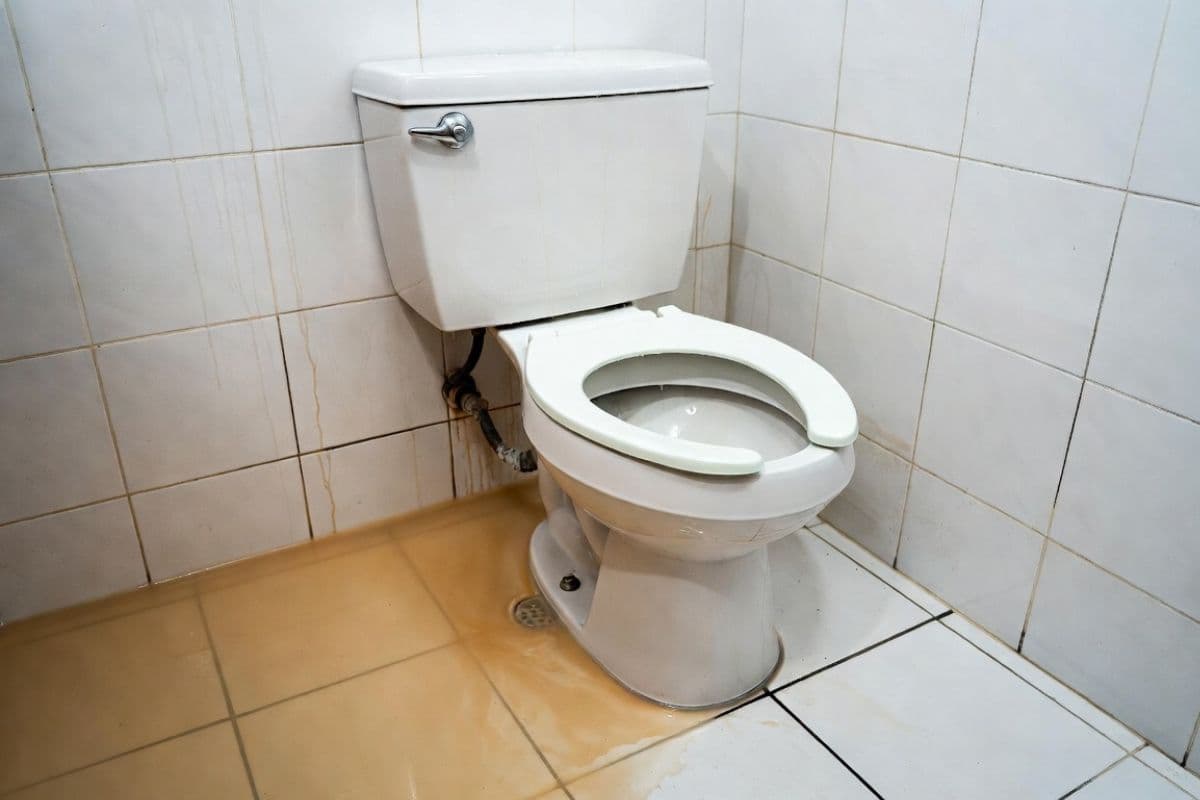
A septic tank backup is a plumbing emergency in which wastewater can no longer flow from the house through the septic system and instead reverses direction, entering the home through the lowest drains such as basement floor drains, ground-floor bathtubs, and toilets. A septic backup occurs when the system's capacity to move or absorb wastewater is blocked at one or more points, including a full tank, a clogged inlet or outlet pipe, a blocked baffle, a clogged effluent filter, or a drainfield that has failed or become temporarily saturated. Unlike a single drain clog, a septic backup affects multiple fixtures throughout the house simultaneously and is accompanied by gurgling sounds, sewage odor indoors or in the yard, and wastewater surfacing at the lowest points in the plumbing first. Septic backups require immediate action to stop water use, protect occupants from exposure to pathogens, and call a licensed septic professional to diagnose and resolve the underlying cause.
If Sewage Is Backing Up Right Now:
Stop using all water. No flushing, no sinks, no showers, no laundry, no dishwasher. Every gallon you send down the drain makes the problem worse.
Do not touch the sewage with bare hands. Sewage contains bacteria, viruses, and parasites. Wear rubber gloves, waterproof boots, and a mask. Keep children and pets away.
Call a licensed septic professional. Describe which drains are backing up, whether you see or smell sewage in the yard, and when the problem started. Expect an emergency surcharge of $150 to $300 after hours.
Do not pour chemical drain cleaner down the drain. It won't fix a septic backup and will kill the bacteria your system needs. For more on what to avoid, see our flushing guide.
How to Tell If It's a Septic Problem or a Plumbing Problem
This is the most important diagnostic step. Not every backup is a septic issue. Misdiagnosing this costs you money because you'll pay for an emergency pump-out you didn't need.
It's Probably a Plumbing Clog If:
- •Only one fixture is backing up (one toilet, one sink, or one shower)
- •Other fixtures in the house drain normally
- •The problem started suddenly after heavy use of a single fixture
A plumber with a snake can usually clear this for $100 to $300.
It's Probably a Septic Problem If:
- •Multiple drains throughout the house are slow or backing up simultaneously
- •You hear gurgling sounds from multiple fixtures when water runs
- •There's a sewage smell indoors or in the yard near the tank or drainfield
- •The lowest drains in the house (basement or ground floor) are affected first
The lowest drain first detail matters. Sewage follows gravity. When your septic system can't accept more water, the backflow enters through the lowest point in your plumbing first. If your basement floor drain or ground-floor bathtub is the first place you see water, it's almost certainly a septic issue.
Check the tank water level. If you can safely access your septic tank's inspection port: if the tank is filled to the top (at or above the inlet pipe), the problem is downstream — a clogged outlet, failed drainfield, or saturated soil. If the water level looks normal, the problem is between the house and the tank — a clogged inlet pipe or blocked inlet baffle. According to the Washington State Department of Health, a blocked inlet baffle produces symptoms very similar to a clogged inlet pipe.
What Is Causing My Backup?
Match your symptoms to the most likely cause and recommended next step.
| What You Are Observing | Most Likely Cause | Recommended Action |
|---|---|---|
| Only one fixture backing up, others drain fine | Localized plumbing clog | Call a plumber, snake the drain ($100 to $300) |
| Multiple fixtures slow or backing up simultaneously | Full tank, blocked baffle, or clogged effluent filter | Stop water use, call septic professional for pump-out and inspection |
| Lowest drains affected first (basement, ground floor) | Septic system backup, not a plumbing clog | Stop water use immediately, call septic professional |
| Gurgling from multiple fixtures when water runs | Restriction downstream of tank | Pump tank, inspect outlet baffle and effluent filter |
| Sewage odor indoors with no visible backup | Blocked vent pipe or early system backup | Inspect vent stack, have tank checked |
| Sewage odor in yard near tank or drainfield | Effluent near surface, possible drainfield stress | Professional inspection, check drainfield absorption |
| Soggy soil or standing water over drainfield | Drainfield failure or temporary saturation | Stop heavy water use, pump tank, assess drainfield |
| Backup started after several days of heavy rain | Soil saturation around drainfield | Reduce water use, allow soil to dry, pump tank |
| Backup returned within weeks of a pump-out | Underlying cause not resolved by pumping alone | Full inspection for root intrusion, broken baffle, or drainfield failure |
| Tank water level above inlet pipe on inspection | Drainfield not accepting effluent | Professional drainfield assessment, possible replacement |
| Tank water level normal on inspection | Blockage between house and tank | Snake or hydro-jet the inlet pipe ($100 to $500) |
The Seven Most Common Causes of Septic Backups
1. The Tank Is Full and Overdue for Pumping
This is the most common cause. When sludge and scum accumulate to the point where they occupy most of the tank's volume, there's no room for incoming wastewater to settle. Solids block the outlet baffle, effluent can't exit to the drainfield, and water backs up into the house.
The fix: Have the tank pumped immediately. Then get on a regular pumping schedule. See our pumping frequency guide for specific intervals. For costs, see our pumping cost guide.
2. Clogged Inlet Pipe (House to Tank)
The sewer line from your house to the septic tank can become clogged with grease buildup, non-flushable items, or tree roots. When this pipe is blocked, wastewater can't reach the tank and backs up into the house.
The fix: A plumber or septic professional can snake or hydro-jet the line to clear the clog. If tree roots are the cause, the line may need to be repaired or replaced. Root intrusion is a recurring problem that often requires removing the offending tree or installing a root barrier.
3. Blocked Inlet Baffle
The inlet baffle is the T-shaped fitting where the sewer line enters the tank. It directs incoming wastewater downward to prevent disturbing the scum layer. Over time, debris — especially non-flushable items — can accumulate around this fitting and block it.
One of the most common hidden causes of tank backup is accumulation of flushable wipes at the septic tank inlet baffle or in the drain line, even when the wipe packaging claims the products are septic-safe. If you have been using flushable wipes for hygiene, see our guide on flushable wipes and septic systems for damage assessment and next steps.
The fix: A septic professional can access the inlet baffle through the tank's inspection port and clear the obstruction. This is typically a low-cost repair. Prevent future blockages by only flushing human waste and toilet paper.
4. Clogged Effluent Filter
Many modern septic tanks have an effluent filter at the outlet pipe. This screen catches suspended solids before they reach the drainfield. When the filter gets clogged, effluent can't exit the tank, the tank fills to the inlet level, and wastewater backs up into the house.
The fix: The filter needs to be pulled out and cleaned or replaced. This is routine maintenance that should happen during every pumping visit. The filter itself costs $50 to $200 to replace. Cleaning it costs nothing during a routine pump-out.
5. Drainfield Failure or Saturation
When the drainfield can no longer absorb effluent, the entire system backs up. This can happen because the drainfield has failed permanently from years of receiving solids, or temporarily because heavy rain has saturated the soil.
For temporary saturation: Stop using water, let the drainfield dry out over several days, and pump the tank to give the system breathing room.
For permanent failure: A failed drainfield must be replaced ($5,000 to $15,000). Signs include standing water over the drainfield in dry weather, sewage surfacing in the yard, and a persistent inability to absorb effluent even after pumping.
6. Heavy Rain or Flooding
A sudden influx of groundwater or surface water can overwhelm a septic system. If the soil around the drainfield becomes saturated, it can't absorb effluent, and water backs up through the system into the house.
The fix: Wait for the water to recede and the soil to dry. Pump the tank if necessary. Do not pump during active flooding — an empty tank in saturated soil can actually float out of the ground. Long-term, ensure gutters, downspouts, sump pump discharge, and surface water are directed away from the tank and drainfield.
7. Tree Root Intrusion
Tree roots seek out moisture and can infiltrate septic pipes, tanks, and drainfield lines through tiny cracks or joints. Once inside, they grow and create blockages that restrict or completely stop wastewater flow.
The fix: A camera inspection can confirm root intrusion. Roots can be cut out mechanically, but they'll grow back. The permanent solution is to repair or replace the affected pipe and remove or redirect the tree. No trees should be planted within 30 feet of any septic system component.
Safe Cleanup After a Sewage Backup
Sewage that has entered your home is a biohazard. Handle cleanup carefully.
Open windows and doors to ventilate affected areas. Do not use fans, as they can spread airborne contaminants.
Remove and discard any porous materials (carpet, carpet padding, upholstered furniture, mattresses) that have been saturated with sewage. These cannot be adequately sanitized.
Hard surfaces (tile, concrete, vinyl) can be cleaned with a solution of one part bleach to ten parts water. Let the solution sit for at least 10 minutes before wiping.
Wash all clothing that contacted sewage in hot water with detergent and a cup of bleach. Disinfect any tools or equipment used during cleanup.
Professional Cleanup
For large-scale backups, consider hiring a professional biohazard cleanup service ($2,000 to $10,000 depending on contamination extent). Check your homeowners insurance for sewage backup coverage. A water backup endorsement (typically $40 to $100 per year) can cover cleanup and damage from sewer and septic backups.
Preventing Future Backups
Every cause listed above is preventable with proper maintenance.
Pump your tank on schedule based on household size and tank capacity.
Have the effluent filter cleaned during every pumping visit.
Only flush human waste and toilet paper. Follow our complete flushing guide.
Fix leaky fixtures that add unnecessary water volume to your system.
Divert roof runoff, sump pump discharge, and surface water away from the tank and drainfield.
Keep trees at least 30 feet from all septic components.
Install septic tank risers so your tank is always easily accessible for inspection and pumping.
Consider installing a septic alarm that alerts you when the tank's water level reaches a critical point.
Repair Cost by Cause
| Cause | Typical Cost |
|---|---|
| Tank pumping (routine) | $300 – $600 |
| Emergency pump-out surcharge | +$150 – $300 |
| Clogged inlet pipe (snake/hydro-jet) | $100 – $500 |
| Effluent filter replacement | $50 – $200 |
| Drainfield replacement | $5,000 – $15,000 |
| Professional biohazard cleanup | $2,000 – $10,000 |
Glossary
Frequently Asked Questions
What causes a septic tank to back up?
Is sewage backing up dangerous?
How much does it cost to fix a septic backup?
Can heavy rain cause a septic backup?
Will pumping the tank fix the backup?
Should I use Drano or drain cleaner for a septic backup?
Related Guides
On theseptic.guide
Signs Your Drainfield Is Failing
The complete warning sign progression from earliest to latest, what causes drainfield failure, and when replacement is unavoidable.
Septic Smell in Your Yard
What causes sewage odor outside, how to trace the source, and when outdoor smell signals a backup is coming.
Slow Drains on a Septic System
How to tell whether slow drains are a plumbing issue, a full tank, or an early warning sign of a system-wide backup.
How Often Should You Pump Your Septic Tank?
Find your exact pumping schedule by tank size and household size to prevent the most common cause of backups.
Septic Tank Pumping Cost 2026
Real pricing by tank size and region, plus emergency pump-out surcharges and what to expect from a service visit.
What You Can and Cannot Flush
The complete list of what is safe to flush, what causes clogs and backups, and what never belongs in a septic system.
Drainfield Replacement Cost
Full cost breakdown for conventional replacement, mound systems, and alternative technologies when drainfield failure is behind the backup.
Septic System Repair Cost
What individual repairs cost, from inlet pipe snaking and baffle replacement to full drainfield rehabilitation.
Does Insurance Cover Septic Repair and Replacement?
What standard policies cover, what they exclude, and how a water backup endorsement can protect you from cleanup and repair costs.
Best Septic System Alarms
Alarms that alert you when tank levels reach a critical point so you can act before a backup reaches your home.
From Our Network
Sump Pump Design Ideas for 2026
If heavy rain is repeatedly saturating your drainfield and triggering backups, a properly designed sump pump system can redirect groundwater away from the septic area.
Best Sump Pumps 2026
Reviewed and ranked sump pump options for homeowners dealing with water intrusion and yard drainage problems that stress the septic system.
Need Emergency Septic Service?
Connect with licensed septic professionals in your area. Get fast, reliable service when you need it most.
Get Free QuotesGet Expert Septic Help
Connect with qualified septic professionals in your area. Free quotes, no obligation.
Get Homeowner Tips in Your Inbox
Septic maintenance schedules, pumping reminders, and troubleshooting guides from The Septic Guide — free to your inbox.
By subscribing you agree to receive emails from The Home Guide Network. We respect your privacy. Unsubscribe anytime. Privacy Policy