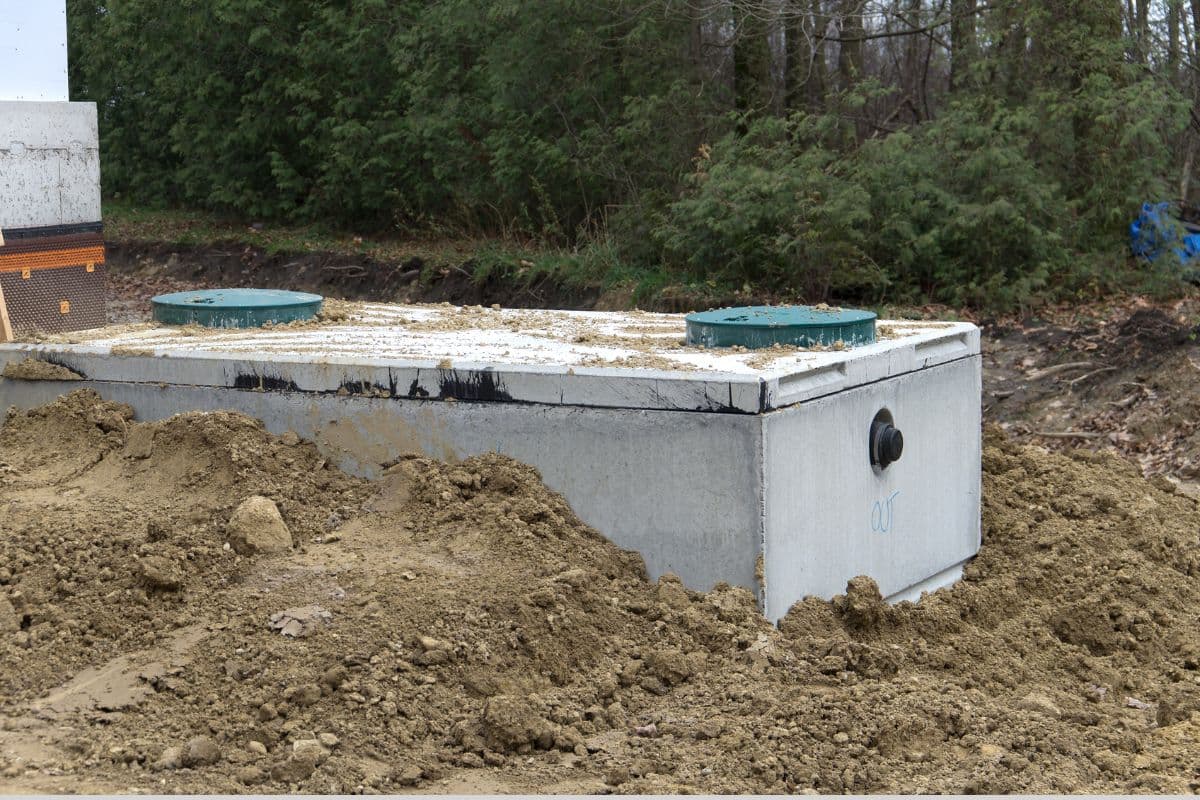
Septic system lifespan is the total number of years an on-site wastewater treatment system functions before its most critical component requires replacement, which in the overwhelming majority of cases is the drainfield rather than the tank. A septic system is not a single unit with a single lifespan but a collection of components including the tank, baffles, effluent filter, distribution box, connecting pipes, and drainfield, each with its own expected service life ranging from 5 years for an unmaintained effluent filter to 50 or more years for a concrete tank in good soil. The gap between a system that lasts 15 years and one that lasts 50 years is almost entirely explained by three factors: how consistently the tank was pumped, what material the tank is made of, and whether the drainfield soil was ever compacted, overloaded, or contaminated with solids from a neglected tank.
A septic system lasts 20 to 30 years on average. But that average hides enormous variation. A well-maintained concrete tank with a properly sized drainfield in good soil can last 40 to 50 years. A neglected steel tank with a clogged drainfield can fail in under 15. The difference is not luck. It is maintenance, material choices, and soil conditions, all of which are within your control or at least knowable before you buy a home.
This guide breaks down lifespan by every individual component, every tank material, and every maintenance level so you can estimate how many years your system has left and what to do about it. If you are new to septic systems, start with our complete guide to how septic systems work.
Lifespan by Component
Every competitor gives you a single number for septic system lifespan. That is like asking how long a car lasts without distinguishing between the engine, the transmission, and the tires. A septic system has multiple components, and each has its own lifespan.
| Component | Expected Lifespan | What Shortens It | Replacement Cost |
|---|---|---|---|
| Concrete septic tank | 40–50 years | Acidic soil, hydrogen sulfide corrosion, poor-quality concrete, driving over the tank | $800–$2,000 (tank only) |
| Plastic (polyethylene) tank | 30–40 years | UV exposure before burial, physical damage during installation, shifting in saturated soil | $500–$1,500 |
| Fiberglass tank | 30–40 years | Installation damage, flotation in high water table | $1,200–$2,500 |
| Steel tank | 15–20 years | Rust, corrosion, baffle deterioration, lid collapse | $500–$1,500 (rarely installed new) |
| Conventional drainfield | 20–30 years (50+ in ideal conditions) | Solids from unpumped tank, soil compaction, root intrusion, hydraulic overload | $5,000–$15,000 |
| Mound system drainfield | 20–30 years | Pump failure, uneven distribution, sand compaction | $10,000–$20,000 |
| Distribution box | 20–30 years | Shifting from frost heave, root intrusion, physical damage | $150–$500 |
| Inlet/outlet baffles | 20–40 yrs (concrete) or 15–25 yrs (plastic) | Corrosion from hydrogen sulfide gas, physical damage during pumping | $150–$500 per baffle |
| Effluent filter | 5–10 years (replaced), indefinite if cleaned | Clogging from lack of maintenance | $50–$200 |
| Effluent pump (pump systems) | 7–15 years | Continuous duty cycling, debris in pump chamber, electrical issues | $300–$1,500 |
| Aerator (ATU systems) | 3–5 yrs (motor), 15–20 yrs (unit) | Motor burnout, lack of annual inspection | $200–$600 (motor replacement) |
| Septic alarm | 10–15 years | Weather exposure, battery corrosion | $30–$200 |
| Risers and lids | 20–30 years | UV degradation, frost heave, physical damage | $100–$400 |
The key insight: The drainfield almost always fails before the tank. A concrete tank can last 40 years, but the drainfield may fail at year 20 if the tank was not pumped on schedule. When people say their septic system failed, they almost always mean the drainfield failed, not the tank. Protecting the drainfield is protecting your biggest investment.
Lifespan by Maintenance Level
This is the section no competitor publishes. Everyone says proper maintenance extends the life of your system, but they don’t quantify how much. Here is the data.
| Maintenance Level | Tank Lifespan | Drainfield Lifespan | Total System Life | Lifetime Maint. Cost | Lifetime Repair/Replace Cost |
|---|---|---|---|---|---|
| Excellent | 40–50 yrs | 30–50 yrs | 30–50 yrs | $8,000–$15,000 | $0–$2,000 |
| Good | 35–45 yrs | 25–35 yrs | 25–35 yrs | $5,000–$10,000 | $1,000–$5,000 |
| Minimal | 30–40 yrs | 15–25 yrs | 15–25 yrs | $2,000–$5,000 | $5,000–$15,000 |
| Neglected | 20–30 yrs | 8–15 yrs | 8–15 yrs | $500–$2,000 | $15,000–$30,000 |
The math is brutal. A homeowner with excellent maintenance spends $8,000 to $15,000 over 30 years and avoids major repairs. A homeowner who neglects maintenance spends $500 to $2,000 on maintenance but pays $15,000 to $30,000 when the drainfield fails at year 12. The neglected system costs 2x to 4x more over its shorter life.
For a detailed seasonal maintenance plan, see our complete maintenance checklist. For the dos and don’ts that determine which column you fall into, see our septic dos and don’ts guide.
Lifespan by Tank Material
The tank material determines the ceiling for how long the tank itself can last. Maintenance determines whether you reach that ceiling.
Concrete: 40–50 Years
Concrete is the most common residential septic tank material and the most durable. A well-made concrete tank in non-acidic soil will outlast the homeowner. The main threats are hydrogen sulfide gas (produced by bacteria breaking down waste, which converts to sulfuric acid and slowly erodes the concrete above the waterline), acidic groundwater that attacks the exterior, and physical damage from driving heavy equipment over the tank.
Concrete tanks are heavy enough that they will not float in saturated soil, which is a significant advantage in areas with high water tables. They are available in the widest range of sizes and have the longest track record of any material.
Plastic (Polyethylene): 30–40 Years
Plastic tanks are lightweight, corrosion-resistant, and easy to install in locations where heavy equipment cannot deliver a concrete tank. They will not corrode from acidic soil or hydrogen sulfide gas. The main risks are shifting or floating in saturated soil (plastic tanks are light enough to float when empty in a high water table), physical damage during installation or from ground movement, and UV degradation if exposed to sunlight before burial.
Fiberglass: 30–40 Years
Fiberglass tanks share many advantages with plastic—lightweight, corrosion-proof, and crack-resistant. They are the most expensive per gallon of capacity but are virtually immune to the chemical degradation that affects concrete. The same flotation risk applies as with plastic. Fiberglass is less common than concrete or plastic for residential installations.
Steel: 15–20 Years
Steel septic tanks are no longer commonly installed for new residential systems because they rust. A steel tank more than 15 years old likely has corroded baffles and may have a weakened lid that can collapse under the weight of a person or vehicle. If your home has a steel tank, budget for replacement. Do not wait for it to fail catastrophically.
The EPA recommends regular inspection of all tank materials, but steel tanks in particular should be inspected annually once they reach 10 years of age.
For a full comparison of all three modern materials with costs, see our concrete vs plastic vs fiberglass septic tank guide.
Drainfield Lifespan: The Most Expensive Component
The drainfield is where your septic investment is most at risk. A drainfield costs $5,000 to $15,000 to replace for a conventional system and $10,000 to $20,000 for a mound system. Understanding what kills drainfields is the most valuable knowledge a septic homeowner can have.
What Determines Drainfield Lifespan
Soil type
Sandy, well-draining soil processes effluent fastest and supports the longest drainfield life. Clay soil drains slowly and builds a biomat faster. Loamy soil (a mix of sand, silt, and clay) falls in between and is the most common.
Tank maintenance
This is the single biggest factor under your control. When the tank is not pumped on schedule, solids overflow the outlet baffle and enter the drainfield. These solids clog the distribution pipes and seal the soil pores with a thick biomat layer. Once clogged, the drainfield cannot be restored. A single episode of solids reaching the drainfield can cause permanent damage.
Hydraulic loading
A drainfield that consistently receives more water than the soil can absorb will fail prematurely. Common causes include leaking fixtures, concentrated water use (all laundry on one day), and surface water draining toward the drainfield.
Soil compaction
Driving, parking, or building on the drainfield compresses the soil and destroys the air spaces that effluent needs to percolate through. This damage is permanent.
Root intrusion
Tree and shrub roots invade drainfield pipes and trenches because they are attracted to the moisture and nutrients. Roots block pipes and disrupt soil absorption.
Original design and installation
A drainfield that was undersized for the home’s wastewater output, installed in soil that failed or barely passed a perc test, or constructed with poor materials will have a shorter life regardless of maintenance.
For warning signs that your drainfield is approaching failure, see our drainfield failure guide.
How to Estimate Your System’s Remaining Life
If you own a home with an existing septic system, here is how to estimate how many years you have left.
Determine the system’s age
Check the original septic permit on file with your county health department. It will list the installation date, tank size, tank material, and system type. If records are not available, your septic professional can often estimate the tank age based on material, style, and condition during a pumping visit.
Identify the tank material
Concrete tanks over 30 years old are typically still sound if they have been maintained. Steel tanks over 15 years old should be inspected carefully and budgeted for replacement. Plastic and fiberglass tanks over 25 years old should be inspected for structural integrity.
Assess the drainfield
This is the harder part. A drainfield can look fine from the surface while slowly failing underground. The best indicators are slow drains throughout the house, sewage smell in the yard, wet or soggy ground over the drainfield during dry weather, and unusually green grass over the drainfield. A professional drainfield evaluation can assess absorption rates and distribution box function.
Review maintenance history
A system with documented regular pumping every 3 to 5 years has a much longer expected remaining life than a system with no records or sporadic maintenance. If you bought the home and inherited an unknown maintenance history, schedule a pumping and full inspection immediately.
Factor in your usage
A system serving 2 people in a 4-bedroom home has been operating well under capacity and likely has significant remaining life. A system serving 6 people in a 3-bedroom home has been stressed and may be closer to the end of its drainfield life.
What Should I Do Based on My System's Age?
Match your system's age and maintenance history to the recommended action:
| System Age | Maintenance History | Tank Material | Recommended Action | Priority |
|---|---|---|---|---|
| Under 10 years | Any | Any | Follow standard maintenance schedule, pump on time | Low |
| 10 to 15 years | Regular pumping documented | Concrete or plastic | Continue maintenance, schedule inspection | Low |
| 10 to 15 years | No records or sporadic | Any | Schedule pump-out and full inspection immediately | High |
| 15 to 20 years | Regular pumping documented | Concrete | Inspect baffles, assess drainfield absorption, continue schedule | Medium |
| 15 to 20 years | Any | Steel | Budget for tank replacement within 2 to 3 years | High |
| 20 to 25 years | Regular pumping documented | Concrete | Full comprehensive inspection, camera scope sewer line | Medium |
| 20 to 25 years | No records or sporadic | Any | Full inspection, assess drainfield, budget for replacement | High |
| 25 to 30 years | Regular pumping documented | Concrete | Annual inspections, assess drainfield absorption rate, plan for replacement area | High |
| 25 to 30 years | Any | Steel or plastic | Assess structural integrity, budget for imminent replacement | Very High |
| 30 to 40 years | Excellent, documented | Concrete | System may have significant remaining life, annual inspections essential | High |
| 30 to 40 years | Unknown or poor | Any | Professional assessment for replacement vs rejuvenation | Very High |
| Over 40 years | Any | Any | Full professional assessment, identify replacement area, budget for full replacement | Very High |
| Any age, drainfield symptoms present | Any | Any | Professional drainfield assessment immediately regardless of age | Urgent |
When to Repair vs. Replace
Not every aging system needs full replacement. Here is the decision framework.
| Situation | Repair or Replace? | Typical Cost | Notes |
|---|---|---|---|
| Cracked baffle, tank otherwise sound | Repair | $150–$500 | Common on concrete tanks 20+ years old. Easy fix during pumping. |
| Cracked concrete tank (minor, above waterline) | Repair | $500–$1,500 | Sealant or patching. Monitor annually. |
| Cracked concrete tank (structural, below waterline) | Replace tank | $3,000–$6,000 installed | Tank is compromised. Drainfield may still be fine. |
| Steel tank with corroded baffles | Replace tank | $3,000–$6,000 installed | Steel tanks are not worth repairing. Replace with concrete or plastic. |
| Effluent pump failure | Repair/replace pump | $300–$1,500 | Normal wear item. Does not indicate system failure. |
| Drainfield showing early stress | Monitor and maintain | $300–$600 (pump/inspect) | May recover with reduced loading and proper maintenance. |
| Drainfield failure (standing water, surfacing effluent) | Replace drainfield | $5,000–$15,000 | Cannot be repaired once fully clogged. New field required. |
| Entire system 25+ years with multiple failing components | Replace system | $8,000–$20,000 | May be more economical than piecemeal repairs. |
For a full cost breakdown of every type of repair, see our septic system repair cost guide.
When your system reaches end of life and replacement becomes necessary, use our septic cost calculator to estimate the project cost based on your specific home size, system type, and soil conditions. Walking into the quoting process with a planning estimate helps you spot inflated bids and budget realistically.
How to Extend Your System’s Life
Every year you extend your system’s life, you save money. Here are the highest-impact actions ranked by cost-effectiveness.
Pump on schedule
$300–$600 every 3 to 5 years. The single most effective thing you can do. Prevents solids from reaching the drainfield. Non-negotiable. See our pumping schedule guide.
Fix leaks immediately
$0–$100 for a toilet flapper or faucet washer. A running toilet adds 200 gallons per day to your drainfield. That is 73,000 gallons per year of unnecessary loading.
Install risers
$100–$400 one-time. Makes pumping and inspections easier, cheaper, and more likely to happen on schedule. See our best septic tank risers guide.
Clean the effluent filter
$0 DIY, 5 minutes. Prevents solids from reaching the drainfield between pumpings. If your tank does not have one, add it for $50–$200.
Divert surface water away from the drainfield
$0–$500, depending on grading needs. Prevents hydraulic overload that is the second most common cause of drainfield failure.
Follow septic-safe habits
$0. No chemical drain cleaners, no wipes, no grease, no garbage disposal overuse. See our dos and don’ts guide and flushing guide.
Use septic-safe products
Marginal cost. Septic-safe toilet paper dissolves faster and reduces sludge buildup. Enzyme-based drain cleaners maintain pipes without killing tank bacteria. Monthly treatments support bacterial health.
Get inspections
$100–$400. Catches cracked baffles, failing components, and drainfield stress before they become emergencies. See our inspection cost guide.
Frequently Asked Questions
How long does a septic system last?+
How long does a concrete septic tank last?+
How long does a septic drainfield last?+
How do I know if my septic system is failing?+
Can a failing septic system be saved?+
How long can a septic tank go without being pumped?+
Does a home inspection check the septic system?+
Is it worth buying a house with an old septic system?+
How do I extend the life of my septic system?+
Glossary
Biomat
A biomat is the dense biological layer of bacteria, organic solids, and slime that forms naturally on the bottom and sides of drainfield trenches as effluent percolates through the soil, and while a thin biomat is a normal and beneficial part of the treatment process, an excessively thick biomat from solids escaping a neglected tank permanently seals the soil pores and is the primary mechanism by which drainfields fail before the end of their expected lifespan. Understanding biomat is the key to understanding why pumping the tank on schedule is the single most impactful maintenance action available, because every pump-out that prevents solids from reaching the drainfield also prevents the accelerated biomat accumulation that ends drainfield life prematurely. See also: Signs Your Drainfield Is Failing and How Often Should You Pump Your Septic Tank?.
Hydrogen Sulfide
Hydrogen sulfide is a colorless toxic gas produced by anaerobic bacteria breaking down organic waste inside the septic tank, and when it contacts moisture above the waterline it forms sulfuric acid that slowly corrodes concrete tank walls, baffles, and lids from the inside out over decades of exposure. This is the primary chemical mechanism that limits concrete tank lifespan and explains why concrete tanks in systems with high organic waste loads or poor ventilation deteriorate faster than those in well-maintained, properly ventilated systems. See also: Septic System Repair Cost and Complete Septic System Guide.
Perc Test (Percolation Test)
A perc test is a soil evaluation conducted before septic system installation that measures how quickly water drains through the soil at the proposed drainfield location, with faster drainage supporting a longer drainfield lifespan and slower drainage requiring a larger or more complex system that is more expensive to install and replace. The perc test result is one of the original determinants of drainfield lifespan that is set at installation and cannot be changed, which is why properties with marginally passing perc test results are at higher risk of earlier drainfield failure than those with excellent drainage. See also: Septic System Installation Cost 2026 and Drainfield Replacement Cost.
Baffle
A baffle is the T-shaped pipe fitting at the tank inlet and outlet that controls where wastewater enters and exits the tank, preventing floating scum and settled sludge from leaving and reaching the drainfield, and its condition is one of the most important indicators of how well the tank has protected the drainfield over the years. Baffle deterioration is particularly rapid in steel tanks where corrosion from hydrogen sulfide destroys the metal fittings within 10 to 15 years, and in older concrete tanks where the concrete baffle material erodes from the same acid exposure, which is why inspecting baffles at every pump-out is critical for systems approaching the midpoint of their expected lifespan. See also: Septic System Repair Cost and Septic Tank Backing Up Into House.
Hydraulic Overload
Hydraulic overload is the condition where more wastewater enters the drainfield than the soil can absorb and treat in the available time, reducing the drying cycles the drainfield needs to maintain its absorption capacity and accelerating the accumulation of biomat on the trench surfaces in ways that shorten drainfield lifespan significantly over years of chronic overloading. The most common sources of hydraulic overload that affect system lifespan are leaky toilets adding 200 gallons per day of unnecessary flow, back-to-back laundry loads sending surges of water through the system, and external water sources such as roof runoff and sump pump discharge draining toward the drainfield. See also: Septic System Maintenance Checklist and Septic Dos and Don'ts.
Effluent
Effluent is the partially clarified liquid in the middle zone of the tank between the settled sludge and the floating scum that exits through the outlet pipe to the drainfield, and its quality in terms of suspended solids content is the single most important factor in how long the drainfield lasts after installation. Clean effluent with low suspended solids reaches the drainfield and percolates through the soil without accelerating biomat formation, while effluent contaminated with solids from a tank that has not been pumped on schedule clogs the drainfield at a rate that can reduce its lifespan by half or more compared to its design life. See also: What You Can and Cannot Flush and Drainfield Replacement Cost.
System Age
System age is typically determined from the original septic permit filed with the county health department at the time of installation, which records the installation date, tank size, tank material, system type, and drainfield specifications, and it is the starting point for estimating remaining system life when evaluating a home for purchase or assessing whether a system needs replacement. Age alone is a poor predictor of system condition without knowing the maintenance history, because a 25-year-old system with consistent pumping records may have more remaining life than a 15-year-old system that was never pumped. See also: Buying a Home with a Septic System and Septic Inspection Cost.
Tank Floating
Tank floating is the phenomenon where a lightweight plastic or fiberglass septic tank rises out of the ground when the surrounding soil becomes saturated with water and the tank is empty or recently pumped, because the buoyancy force of the waterlogged soil exceeds the weight of the empty tank. It is prevented by proper anchoring during installation using concrete anchor straps or a ballast slab, and it is one of the reasons concrete tanks are preferred in areas with high water tables despite their higher installation cost and weight. See also: Concrete vs Plastic vs Fiberglass Septic Tanks and Septic System Installation Cost 2026.
Related Guides
On theseptic.guide
Septic System Maintenance Checklist
The complete year-round maintenance schedule that determines which lifespan column your system falls into over its life.
How Often Should You Pump Your Septic Tank?
The pumping schedule by tank size and household size that is the single biggest determinant of how long the drainfield lasts.
Signs Your Drainfield Is Failing
The warning sign progression for the component most likely to end your system's functional life, from earliest symptoms to complete failure.
Drainfield Replacement Cost
What replacing the component most likely to fail first actually costs, by system type and site conditions.
Septic System Repair Cost
Every individual component repair priced out, from a $150 baffle replacement to a $15,000 drainfield replacement.
Concrete vs Plastic vs Fiberglass Septic Tanks
A full comparison of the three tank materials covered in this guide including lifespan, failure modes, and cost differences.
Septic System Installation Cost 2026
What full system replacement costs when the end of lifespan arrives, by system type and site conditions.
Buying a Home with a Septic System
How to evaluate the remaining lifespan of an existing system before purchasing a home and how to negotiate based on inspection findings.
Septic Inspection Cost
What the inspections that catch age-related problems before they become emergencies cost, and what each inspection level includes.
Septic Tank Size Guide
How tank capacity relative to household size affects both pumping frequency and the rate at which the system ages toward failure.
Septic Dos and Don'ts
The daily household habits that determine whether your system reaches the high end or low end of its expected lifespan range.
What You Can and Cannot Flush
What enters the system through drains that accelerates aging and shortens the drainfield's functional life.
Best Septic Tank Risers
The upgrade that makes every future inspection and pump-out easier and more likely to happen on schedule, directly protecting drainfield lifespan.
Septic System Winter Care
How freeze-thaw cycles and frost heave affect aging system components and what to do each season to protect them.
From Our Network
Best Sump Pumps 2026
For homes where basement groundwater management affects the septic drainfield, a properly functioning sump pump system protects drainfield lifespan by preventing hydraulic overload from external water sources.
Sump Pump Design Ideas for 2026
How to route basement drainage equipment away from the septic drainfield area, protecting one of the most expensive components in the home from avoidable hydraulic stress.
Need a Septic System Inspection?
Connect with certified septic professionals in your area for inspections, maintenance, and system evaluations.
Get Free QuotesGet Expert Septic Help
Connect with qualified septic professionals in your area. Free quotes, no obligation.